Illuminating the Future: A Technical Deep Dive into Modern Sensor Headlamps
For professionals across countless industries—from emergency services and industrial maintenance to outdoor adventures and DIY home projects—reliable hands-free illumination is not just a convenience; it's a critical safety and productivity tool. The traditional headlamp has evolved dramatically, and at the forefront of this evolution is the intelligent Sensor Headlamp. This advanced piece of personal lighting technology integrates automatic sensing capabilities to deliver unparalleled convenience, extended battery life, and adaptive performance tailored to your immediate environment. This guide provides a comprehensive, professional analysis of modern Sensor Headlamp technology, its core parameters, and its practical applications.
Core Technology: How Sensor Headlamps Work
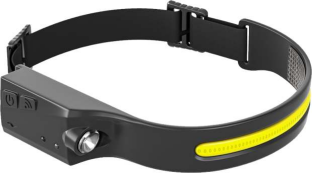
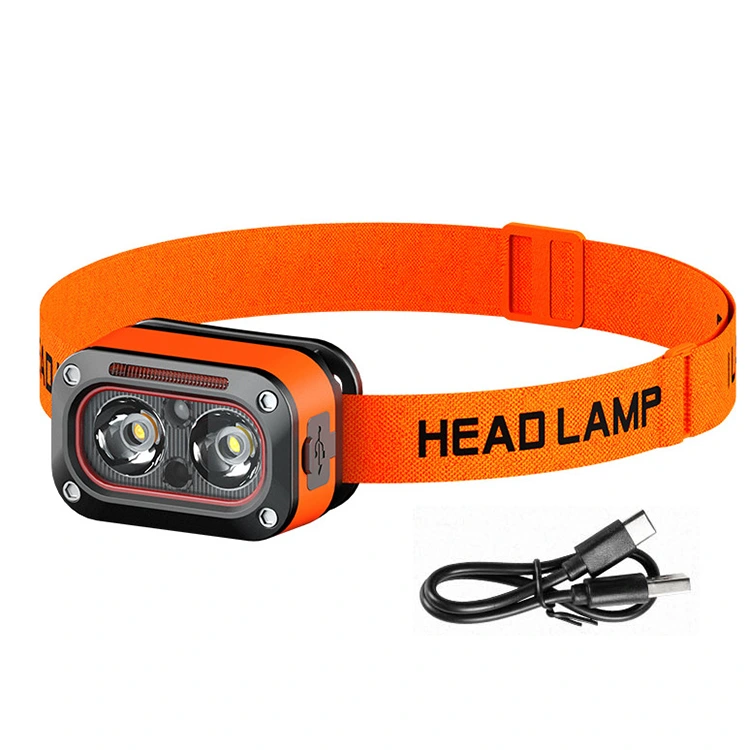
Unlike standard headlamps requiring manual mode switching, a Sensor Headlamp incorporates one or more microprocessor-controlled sensors. The most common type is a passive infrared (PIR) motion/proximity sensor. This sensor detects changes in infrared radiation within its field of view, typically corresponding to movement or the presence of an object (like your hand) within 5-20 centimeters. Upon detection, it sends a signal to the main circuit to trigger a pre-programmed action, such as turning the light on or off, or cycling through brightness modes. Some advanced models also include ambient light sensors to automatically adjust beam intensity based on surrounding light conditions, preventing unnecessary glare in dark environments or boosting output in daylight.
Frequently Asked Questions (FAQ) About Sensor Headlamps
General & Technical
Q: How does the motion sensor function in wet conditions or rain?
A: Professional-grade Sensor Headlamps with high IP ratings (IP67/IP68) have sealed sensor windows. While water droplets on the lens might occasionally cause inadvertent triggering, the sensor's firmware is often calibrated with a brief delay or requires a specific gesture pattern to mitigate false activation from rain. In heavy downpours, switching to manual button control is recommended for absolute reliability.
Q: Does the sensor drain the battery when the light is off?
A: The sensor circuit draws a very small standby current, typically measured in microamps (µA). For a headlamp with a 2000mAh battery, this standby drain might account for less than 1% of capacity per month. The impact on overall runtime is negligible compared to the power used by the LEDs when illuminated.
Q: Can the sensor be permanently disabled if I prefer only manual controls?
A: Most well-designed models offer this functionality. This is usually achieved by holding down the power button for 5-10 seconds to lock/unlock the touchless sensor, or via a dedicated mode switch. Always consult the user manual for the specific procedure.
Usage & Application
Q: Are Sensor Headlamps suitable for high-precision technical work like electronics repair or surgery?
A: Yes, but with specific feature requirements. For such tasks, prioritize: 1) A high CRI (90+) to accurately distinguish small, color-coded components. 2) A pure flood or adjustable focus beam for even, shadow-free illumination. 3) A reliable sensor with a "proximity dimming" feature to automatically lower brightness when leaning in, preventing glare on reflective surfaces like circuit boards or surgical fields. 4) Stable, comfortable headbands to prevent slippage during precise movements.
Q: How do I prevent accidental activation while the headlamp is in my pack or during transport?
A: Utilize the physical lock-out function (button lock) found on most models. Alternatively, if your headlamp lacks a lock, simply store it facing a flat surface inside a protective case or pouch, or slightly unscrew the battery compartment cap (if designed for this) to break the electrical connection.
Q: Is the sensor technology reliable in extremely cold or hot temperatures?
A: Check the specified operating temperature range in the product datasheet. Lithium-ion batteries and electronic sensors have functional limits. Extreme cold (< -20°C) can reduce sensor sensitivity and drastically shorten battery runtime. Extreme heat (> 45°C) can cause overheating during charging or high-brightness use. For Arctic or desert environments, select models explicitly rated for those extremes and consider battery insulation or cooling strategies.
Maintenance & Care
Q: How do I clean the sensor window without damaging it?
A: Use a soft, lint-free cloth slightly dampened with clean water or isopropyl alcohol. Gently wipe the sensor window (and LED lens). Avoid abrasive materials, harsh chemicals, or excessive pressure that could scratch the optical surface or compromise the waterproof seal around it.
Q: What is the typical lifespan of the sensor and LED components?
A: The solid-state sensor and control circuitry, under normal operating conditions, can last for decades. The LED is the component with a defined lifespan, usually rated in tens of thousands of hours (e.g., 50,000 hours to L70 - meaning it outputs 70% of its original brightness at that point). For a Sensor Headlamp used 4 hours daily, this equates to over 30 years before noticeable dimming. The battery (if non-replaceable) is often the first point of failure, with a lifespan of 3-5 years or 300-500 full charge cycles.
Q: My Sensor Headlamp's proximity function has become erratic. What troubleshooting steps should I take?
A: Follow this structured diagnostic process: 1) Ensure the sensor window is clean and unobstructed. 2) Perform a full reset of the device (see manual; often involves holding buttons during insertion of batteries). 3) Check the battery voltage. A low battery can cause unstable sensor and electronic performance. Recharge or replace with fresh cells. 4) Test in a different environment to rule out strong infrared interference from other heat sources. 5) If problems persist, contact manufacturer support, as this may indicate a fault in the sensor module.