



Call Us
+86-574-65133939
Email Us
sales@lumen-lites.com

Breaking Boundaries with Powerful Light: The King of Lighting for Professional Scenarios
When the brightness of ordinary flashlights is insufficient for extreme scenarios such as outdoor search and rescue, nighttime engineering, and long-distance off-roading, high-power flashlights, with their far superior lighting performance, have become the "hardcore equipment" for professionals and outdoor adventurers. With thousands of lumens of intense light output and an ultra-long range of hundreds of meters, they break the limitations of darkness, providing users with clear vision and safety in complex environments, truly representing the "performance ceiling" among lighting tools.
I. Core Performance: A Dual Breakthrough in Intense Light and Range The core competitiveness of high-power flashlights lies in their extreme pursuit of both "brightness" and "range." Compared to ordinary LED flashlights (mostly 100-500 lumens), their brightness threshold is generally set above 500 lumens, with professional-grade products reaching 3000-10000 lumens—this brightness is equivalent to hundreds of household desk lamps simultaneously lit, enough to illuminate an open area of nearly 100 square meters, instantly dispelling darkness even in pitch-black wilderness.
In terms of range, high-power flashlights also perform impressively. Utilizing a professional optical reflector and lens design, the light is highly concentrated, achieving an effective range of 200-800 meters, with some top-of-the-line models even exceeding 1000 meters. Whether searching for distant targets during outdoor search and rescue operations or detecting road conditions while driving at night, it penetrates the darkness, providing crucial visibility support and solving the pain points of ordinary lighting tools being "not far enough or clear enough."
II. Robust Configuration: The Technological Foundation Supporting High Power
Behind its powerful performance lies the robust hardware configuration of high-power flashlights. For the light source, it generally uses high-quality imported CREE XHP series and Luminus SST series LED chips. These chips not only have slow brightness decay but can also withstand the heat impact of high-power operation, ensuring long-term stable output. The drive circuit uses constant current drive technology to avoid brightness fluctuations while reducing power consumption, balancing performance and battery life.
As the "energy core," high-power flashlights typically use large-capacity 18650/21700 lithium batteries, with capacities ranging from 2000-5000mAh. Some models support dual-battery parallel designs to further enhance battery life. To address heat generation during high-power operation, the casing is often made of aerospace-grade 6061 aluminum alloy with precision heat dissipation patterns, enabling rapid heat dissipation and preventing overheating that could affect safety. The casing also boasts excellent drop and pressure resistance, withstanding the impacts of complex outdoor environments.
In terms of safety, high-power flashlights are also well-designed. They incorporate multiple safety mechanisms, including overcharge protection, over-discharge protection, short-circuit protection, and overheat protection, preventing risks such as battery bulging and circuit burnout. Some products also feature reverse connection protection to prevent malfunctions caused by incorrect battery installation, giving users greater peace of mind during intensive use.
III. Practical Functions: Detailed Design Adapted to Professional Scenarios
Beyond core lighting performance, the functional design of high-power flashlights is also deeply tailored to the needs of professional scenarios. In terms of operation, most are equipped with a tactical tail switch, supporting quick operations such as "one-click high beam" and "snap flash," allowing for rapid response without complex adjustments in emergency situations. The strobe mode can also obstruct the vision of others in dangerous situations, ensuring personal safety.
Regarding scene adaptability, high-power flashlights offer comprehensive performance. Waterproofing generally reaches IPX6 or higher, allowing normal operation in humid environments such as heavy rain and immersion, unaffected by changeable outdoor weather. Some products support zoom functionality; rotating the head switches between "floodlight" and "spotlight" modes: floodlight mode is suitable for illuminating large areas (such as campsites or repair sites), while spotlight mode is used for precise long-distance illumination, offering versatility to meet diverse needs.
In addition, many high-powered flashlights integrate practical additional functions: car emergency models are equipped with window-breaking hammers and emergency rope cutters for quick escape in case of vehicle accidents; outdoor models feature tactical loops and waist clips for easy carrying and securing; some support USB-C fast charging and reverse charging, not only quickly replenishing their own power but also providing emergency power to mobile phones and other devices, becoming an "all-around assistant" for outdoor adventures.
IV. Target Audience and Scenarios: Who Needs a High-Powered Flashlight?
High-powered flashlights are not a "must-have" for ordinary daily lighting, but for specific groups and scenarios, they are irreplaceable tools:
Professionals: Outdoor search and rescue personnel, nighttime security personnel, engineering repair personnel, power workers, etc., who require high-intensity lighting to support their work;
Outdoor enthusiasts: Long-distance hikers, off-road campers, nighttime fishing enthusiasts, hunting enthusiasts, etc., who need to meet complex lighting needs in the wild;
Emergency reserves: Car emergency and home disaster prevention reserves for emergencies such as power outages and road malfunctions;
Safety seekers: People living alone, nighttime commuters, who need strong light and strobe functions to ensure travel safety.
It's important to note that high-power flashlights consume a significant amount of power in their high-intensity mode, resulting in a shorter continuous usage time (typically 1-5 hours). Users are advised to switch brightness levels appropriately based on the scenario to balance performance and battery life. Also, avoid shining the bright light directly into others' eyes to prevent injury.
In conclusion, high-power flashlights, with their core advantages of "breaking boundaries with powerful light and unparalleled performance," have become the preferred lighting choice for professional scenarios and extreme environments. They are not just tools, but also a source of "safety" in the darkness—whether facing work challenges or exploring the unknown outdoors, high-power flashlights provide powerful illumination, paving a clear path for users and ensuring safety during every outing and operation. With technological upgrades, future breakthroughs will continue in lightweight design, intelligent features, and extended battery life, bringing an even better user experience to professional users.
Send Inquiry
X
We use cookies to offer you a better browsing experience, analyze site traffic and personalize content. By using this site, you agree to our use of cookies.
Privacy Policy
News
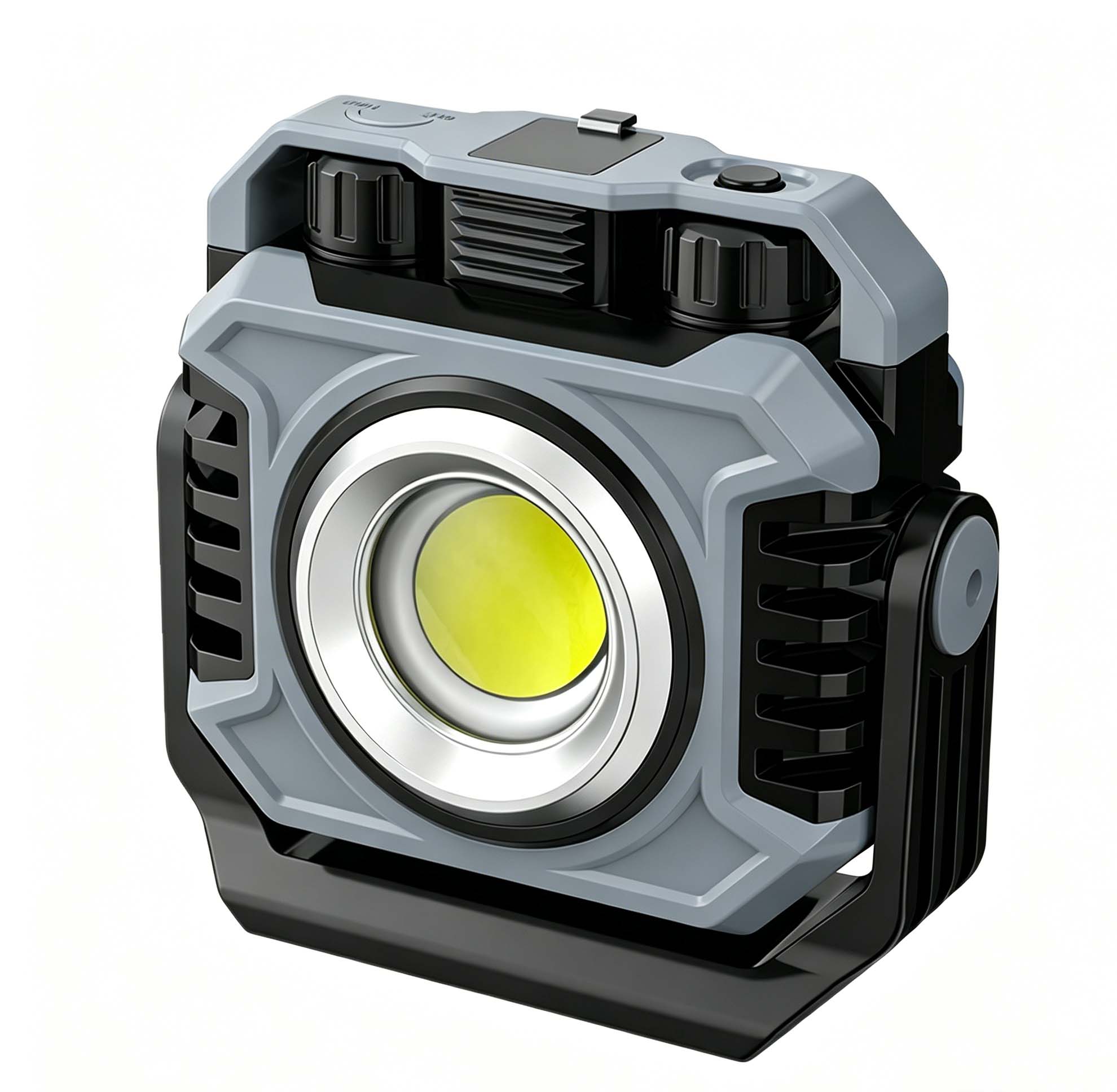 LED Work Light vs. Traditional Work Light: Which is Better?2026/07/26
A halogen work light fell off a ladder, shattering glass all over the floor—and shattering my 15‑year habit along with it. What makes LED so much better? A veteran construction worker’s head‑to‑head comparison: brightness, durability, electricity bills—who’s the real king of the job site?
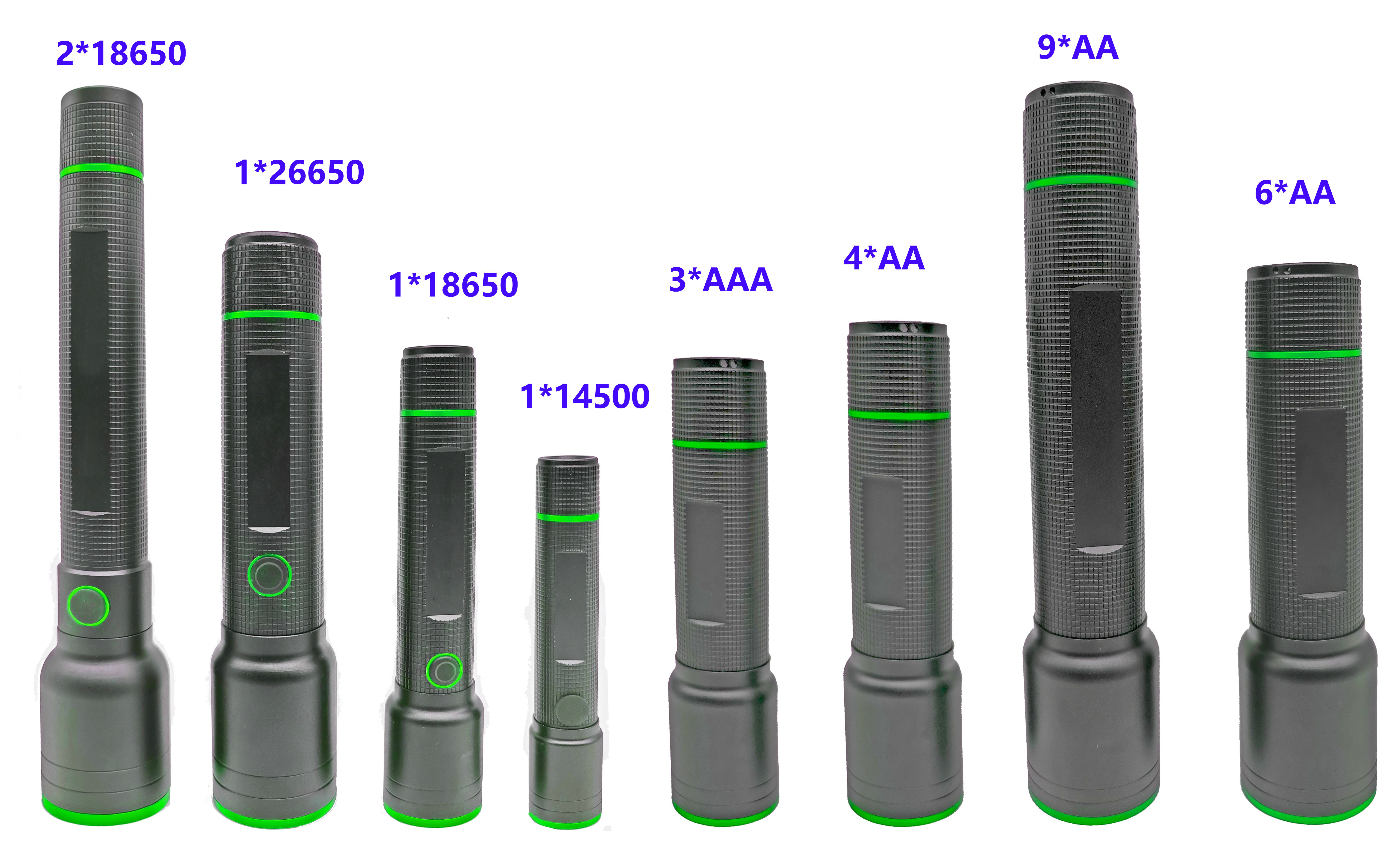 How to Choose a Reliable LED Flashlight Manufacturer in China for Wholesale and OEM Orders?2026/05/06
Choosing the right LED flashlight manufacturer is essential for building a successful business in the lighting industry. By working with a trusted partner like Liuming Lighting, you can ensure high-quality products, competitive pricing, and reliable long-term supply. Whether you are looking for fl......