The Ultimate Guide to Modern Camping Lighting Solutions
Choosing the right illumination is a cornerstone of any successful outdoor adventure. In today's market, a versatile and reliable camping light is more than just a source of light; it's a tool for safety, comfort, and ambiance. This guide delves deep into the technical specifications and practical considerations of modern portable lighting to help you make an informed decision.
Core Technical Specifications of Our Premium Camping Lantern
Understanding the key parameters of a camping lantern is crucial for matching the product to your specific needs, whether it's a weekend car camping trip or a demanding multi-day backpacking expedition.
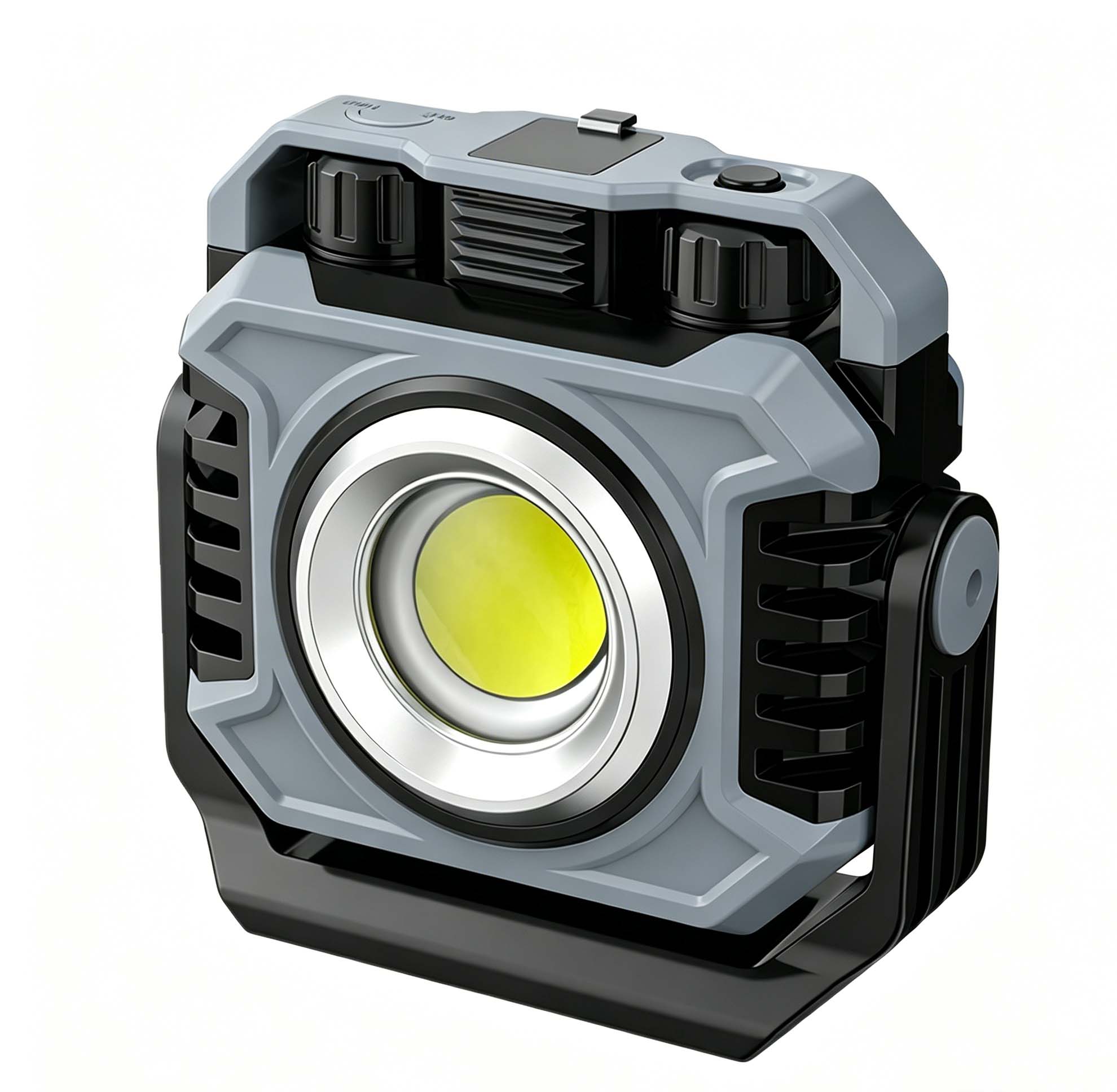
Measured in lumens, this indicates total visible light emitted. Our lanterns offer a range from a soft 50 lumens for ambient tent lighting to a powerful 1000+ lumens for illuminating large camp areas. Multiple modes are standard, including High, Medium, Low, Red Light (for night vision preservation), and SOS for emergencies.
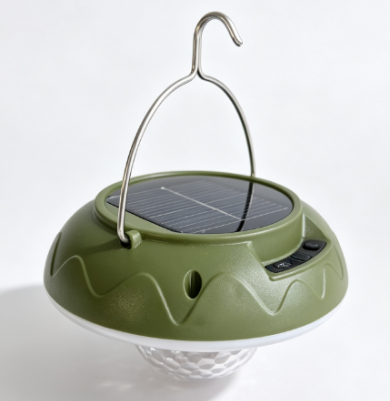
Modern lights utilize rechargeable Lithium-ion batteries for sustainability and convenience. Runtime varies drastically with output mode. For example, a 5000mAh battery can provide up to 200 hours on the lowest setting or 5 hours on maximum brightness. Many models also feature USB-C rechargeability and solar charging panels as a backup.
Look for an IPX rating. An IPX4 rating signifies resistance to splashing water from any direction, while IPX7 means the light can be submerged in 1 meter of water for up to 30 minutes, making it ideal for unpredictable weather. The housing is typically constructed from impact-resistant ABS plastic or aerospace-grade aluminum.
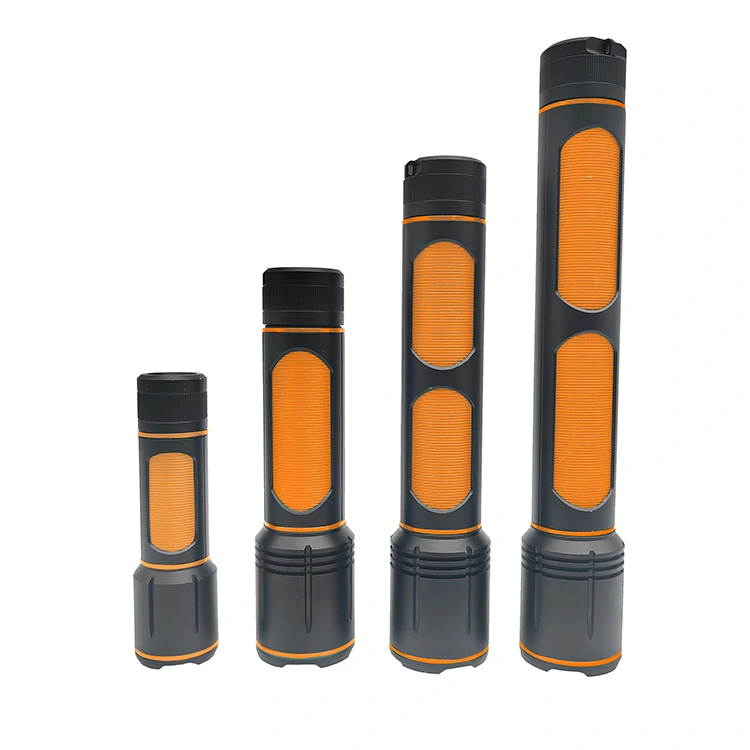
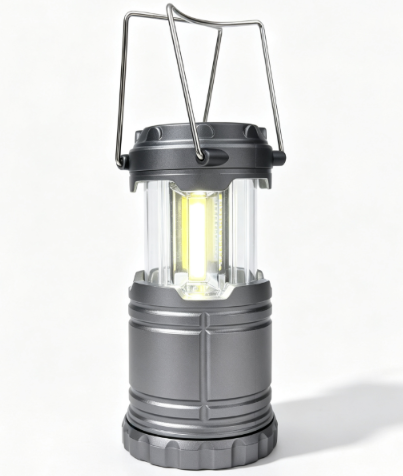
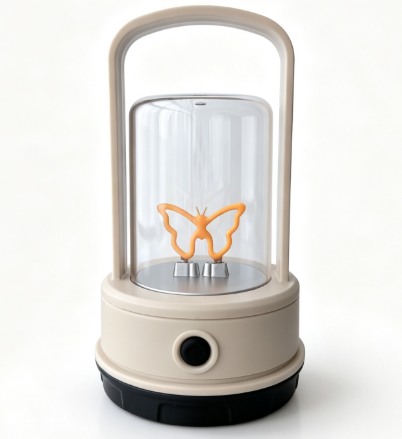
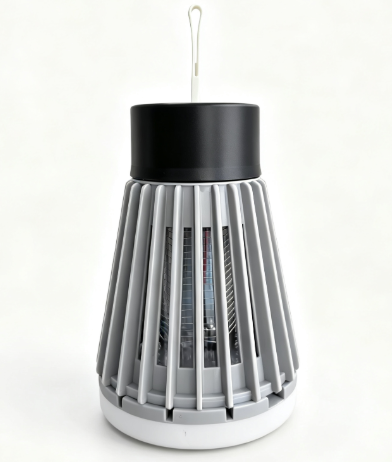
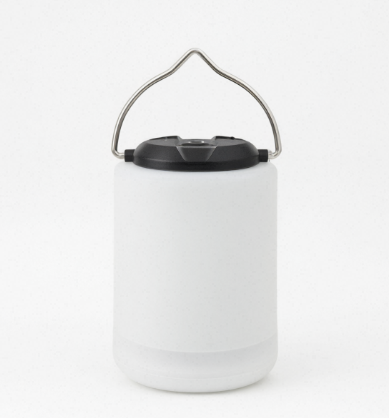
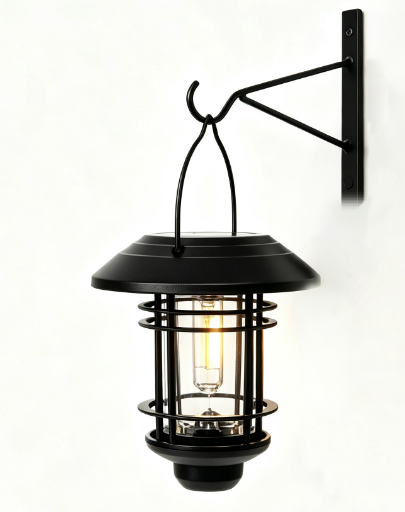
Weight and packed size are critical for backpackers. Our compact models collapse or fold flat, weighing under 300g. Essential design features include a stable base, a hanging hook for overhead light, and a 360-degree light diffusion panel to eliminate harsh shadows.
Advanced options may include a built-in power bank to charge mobile devices, adjustable color temperature (from warm white to cool white), motion sensors, and Bluetooth connectivity for app-based control.
Optimizing Your Camping Light for Different Scenarios
Beyond specifications, practical application is key. Use the high-intensity setting sparingly for short-term tasks to conserve battery. The medium setting is perfect for most camp chores. Always utilize the red light mode inside shared tents to avoid disturbing fellow campers. When hanging your lantern, position it slightly away from the direct center of your sitting area to reduce glare and create a more pleasant, diffused light atmosphere. For backpacking, attaching a small carabiner to the lantern's hook allows for easy attachment to backpack loops or tent ceilings.