



Call Us
+86-574-65133939
Email Us
sales@lumen-lites.com

A lighting classic spanning a century, adapting to diverse contemporary lifestyles
Torch, a word carrying humanity's memories of fighting darkness, has evolved from ancient torches used to light flames, to modern carbon filament flashlights, and now to portable lighting tools incorporating LED technology. Its core characteristics—instant illumination and reliable convenience—have permeated the history of human lighting civilization. In the modern context, torch (especially in British English) remains the classic name for a flashlight. It is no longer limited to a single lighting function but has evolved into an "all-around tool" suitable for diverse scenarios such as home, outdoors, and emergencies, retaining its classic appeal while radiating the vitality of modern technology.
I. From Torch to Smart Lighting: The Century-Long Evolution of Torch
The origin of the torch can be traced back to primitive society. Ancient people lit sap-soaked branches to create the earliest torches, used to drive away wild animals and illuminate caves—humanity's initial exploration of "controllable light." With the advent of the Industrial Revolution and the invention of the portable flashlight at the end of the 19th century, the torch completely moved beyond "burning" lighting. The combination of carbon filament bulbs and dry-cell batteries made it an essential item for home emergencies and outdoor travel.
In the 21st century, the widespread adoption of LED technology brought a revolutionary upgrade to the torch. Modern torches generally use LED light sources, replacing traditional carbon filament bulbs. This not only increases brightness several times over but also significantly reduces power consumption and extends lifespan to over 100,000 hours. Simultaneously, comprehensive innovations in materials and functions—aviation-grade aluminum alloy casing, high-capacity lithium batteries, and waterproof and dustproof designs—have shed the "rudimentary" label of this century-old classic tool, transforming it into a modern lighting device that balances practicality and durability. Today's torch retains its core advantages of "portability and instant illumination" while incorporating diverse functions, perfectly adapting to the diverse needs of contemporary life.
II. Core Advantages: "All-Round Lighting" Balancing Practicality and Versatility
Compared to energy-efficient LED flashlights and high-powered flashlights specializing in strong light, the core competitiveness of the modern torch lies in its "comprehensive balance"—finding the optimal balance between brightness, battery life, portability, and durability to meet the needs of most daily and light outdoor scenarios.
In terms of brightness and battery life, the torch performs admirably as "sufficient and reliable." The brightness of a typical torch ranges from 200-800 lumens, sufficient for close-range scenarios such as nighttime walks and hallway lighting, as well as light outdoor activities like camping and short hikes. For battery life, paired with AA/AAA dry cell batteries or 1000-3000mAh lithium batteries, it can operate continuously for 10-20 hours in low-light mode. Even if you forget to charge it, replacing the dry cell batteries allows for immediate use, completely avoiding the embarrassment of "running out of power at a crucial moment."
Portability and durability are traditional strengths of the torch. Modern torches are typically 15-25 cm long and weigh 50-200 grams, making them easy to hold with one hand and easily fitting into a pocket, backpack, or car armrest for convenient use. The shells are mostly made of ABS engineering plastic or lightweight aluminum alloy, offering some drop and scratch resistance. Some models even meet IPX5 waterproof standards, so you don't need to worry about using them outdoors in the rain or accidental splashes. Their adaptability to complex environments far surpasses that of traditional flashlights.
Ease of use is another major highlight of torches. Most models use a simple push-button switch on the head or a tactical switch on the tail, requiring no complicated setup and easy to operate even for the elderly and children. Some models support multiple brightness levels and one-button switching between strong, weak, and strobe modes. Strong light is used for long-distance illumination, weak light saves power, and strobe mode can be used to issue a warning signal in emergencies, making one light versatile and meeting diverse needs.
III. Diverse Scenarios: An Essential Lighting Tool Permeating Everyday Life
The modern torch is applicable to an extremely wide range of scenarios, truly an "essential for everyone, adaptable to all situations." From daily home life to outdoor travel, from work assistance to emergency rescue, its presence can be seen everywhere.
Household Daily Life and Emergencies: In the event of a sudden power outage, the torch can quickly provide lighting, preventing injuries from bumps and falls in the dark; when getting up at night or needing hallway lighting, there's no need to turn on all the lights in the house—just grab the torch, saving energy and providing convenience; in addition, it can also be used for short-range lighting scenarios such as finding things deep inside cabinets and repairing appliances, maximizing its practicality.
Light Outdoor Scenarios: For light outdoor enthusiasts such as campers, fishermen, and short hikers, the torch is an ideal lighting device. It is lightweight and portable, adding no burden to travel, and its brightness is sufficient to illuminate campsites and fishing spots. Some waterproof models can even withstand damp outdoor environments, ensuring a safe outdoor experience.
Work Assistance Tool: Repair workers, electricians, security personnel, and other groups have a particularly urgent need for torches. Its compact size allows it to easily reach into narrow spaces (such as inside machines or in corners) to provide precise lighting, helping workers quickly troubleshoot malfunctions. For security personnel patrolling at night, carrying a torch can illuminate the way and utilize its strobe mode to respond to emergencies, improving work safety.
Essential for Vehicle Emergency: The torch is a core component of a vehicle emergency toolbox. When a vehicle breaks down on the roadside, it can be used to illuminate the repair area. In emergencies (such as a vehicle submerged in water), some torches with integrated window breaker and rope cutter functions can help drivers quickly break windows and escape, ensuring their safety.
IV. Selection and Use: Maximizing the Value of Your Torch
When purchasing a torch, consider the following based on your needs: For everyday emergencies, choose a basic model with 200-500 lumens brightness and battery power; for light outdoor use, choose a model with 500-800 lumens brightness, IPX5 or higher waterproof rating, and lithium battery power; for vehicle emergency use, prioritize models with integrated window breaker and rope cutter functions. Precautions for use: Avoid prolonged use of the high-beam mode, as this not only drains the battery quickly but may also shorten the product's lifespan due to heat. Regularly check the battery status; replace expired batteries promptly for dry cell batteries, and avoid overcharging or over-discharging lithium battery models. Store in a dry place to prevent damage to the internal circuitry caused by moisture.
Conclusion: From ancient torches to the modern LED torch, this lighting tool, spanning over a century, has always revolved around its core mission of "bringing light and safety to humanity," constantly innovating amidst changing times. It lacks the extreme performance of high-powered flashlights and the extreme energy efficiency of professional LED flashlights, but its "comprehensive balance and all-scenario adaptability" has made it a reliable partner in most people's lives. Whether for convenient lighting at home or safety during outdoor travel, the torch, with its simple and practical design, protects you in every moment of darkness, becoming an indispensable necessity.
Previous:139th Canton Fair
Send Inquiry
X
We use cookies to offer you a better browsing experience, analyze site traffic and personalize content. By using this site, you agree to our use of cookies.
Privacy Policy
News
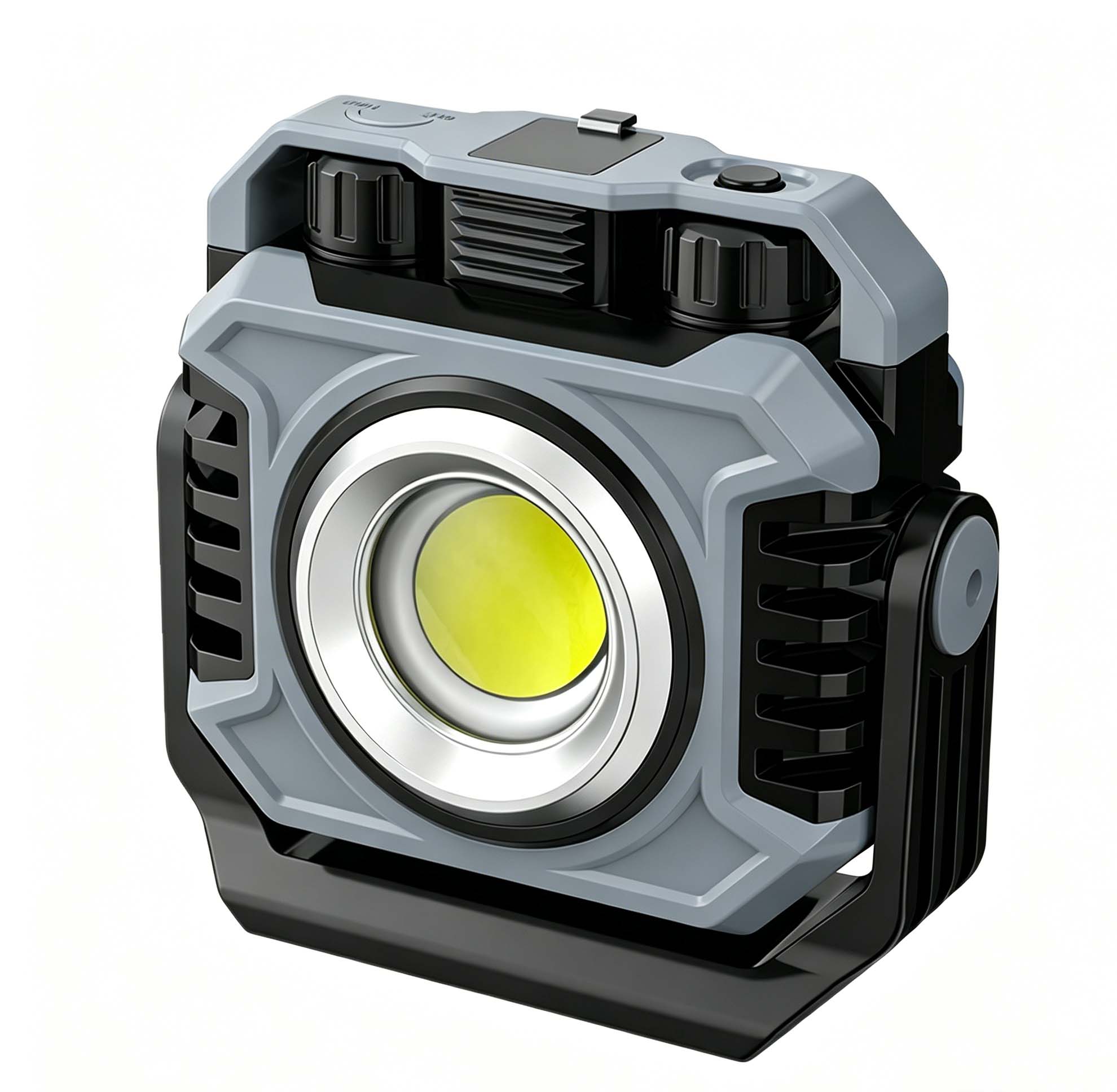 LED Work Light vs. Traditional Work Light: Which is Better?2026/07/26
A halogen work light fell off a ladder, shattering glass all over the floor—and shattering my 15‑year habit along with it. What makes LED so much better? A veteran construction worker’s head‑to‑head comparison: brightness, durability, electricity bills—who’s the real king of the job site?
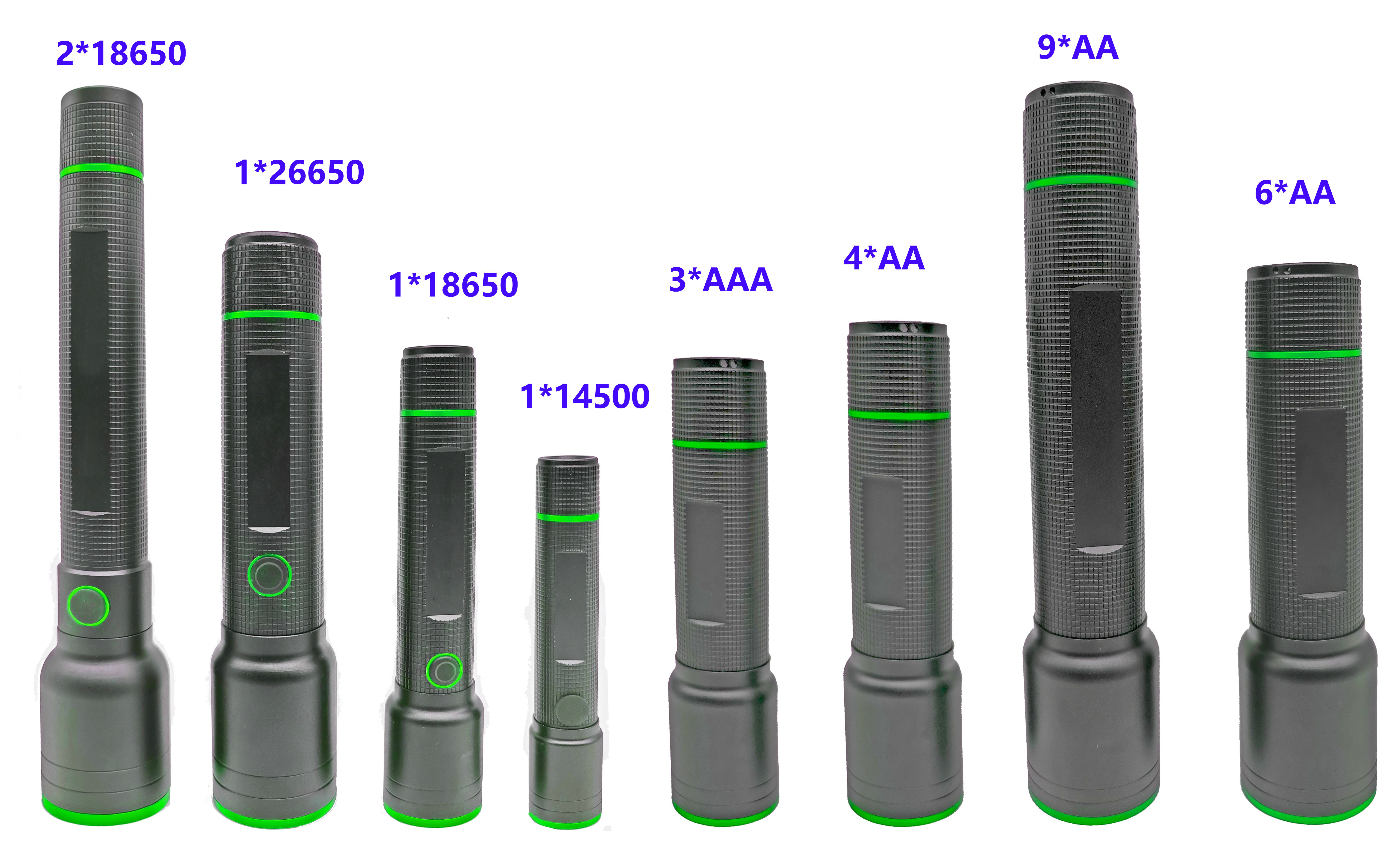 How to Choose a Reliable LED Flashlight Manufacturer in China for Wholesale and OEM Orders?2026/05/06
Choosing the right LED flashlight manufacturer is essential for building a successful business in the lighting industry. By working with a trusted partner like Liuming Lighting, you can ensure high-quality products, competitive pricing, and reliable long-term supply. Whether you are looking for fl......