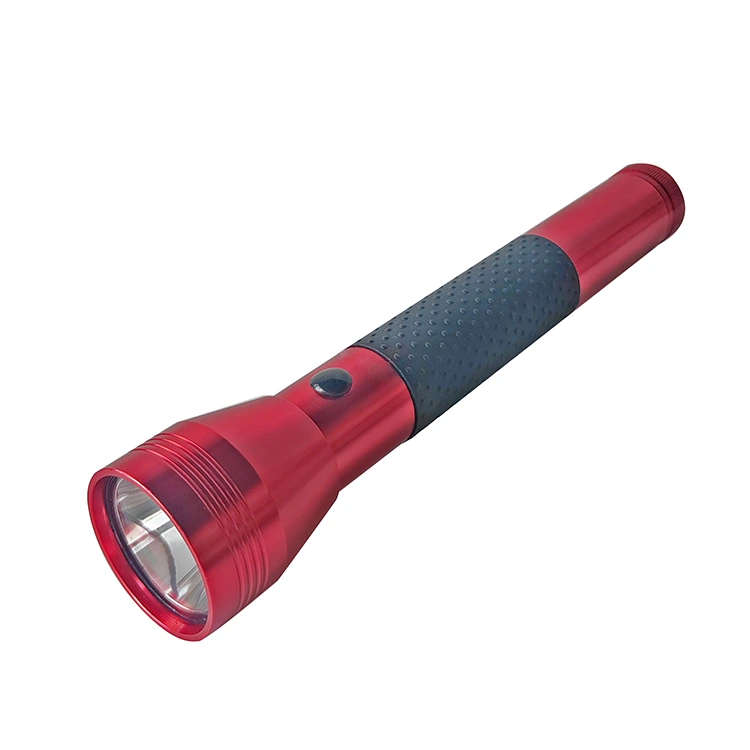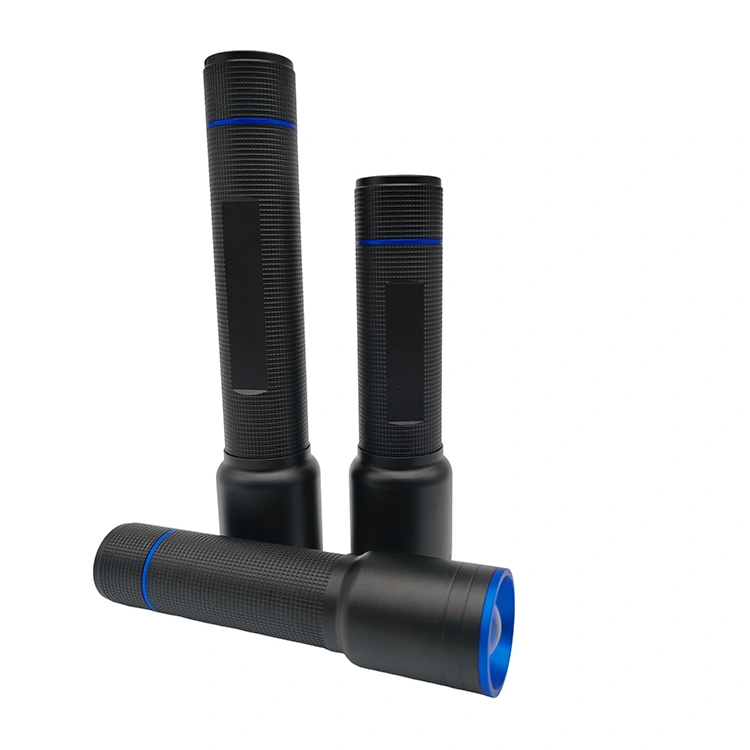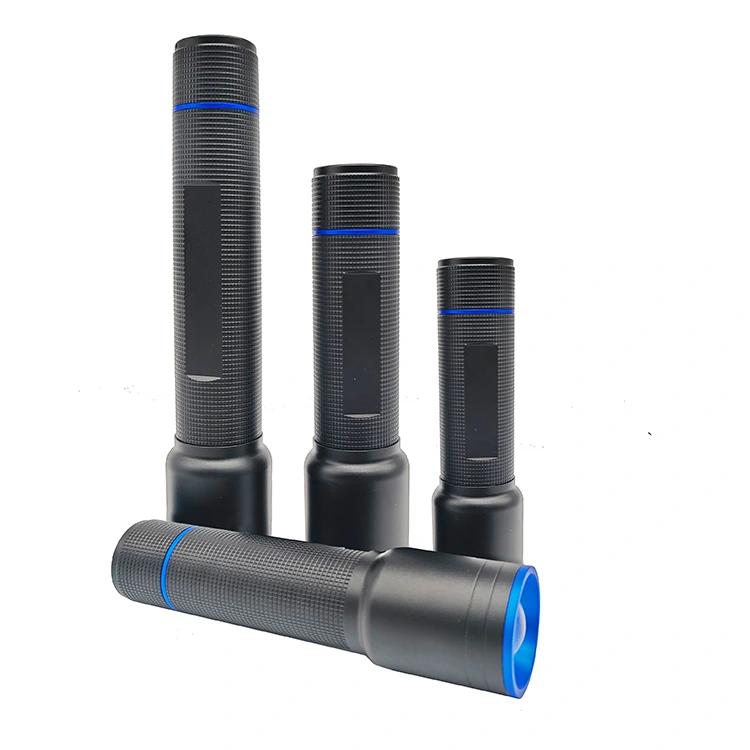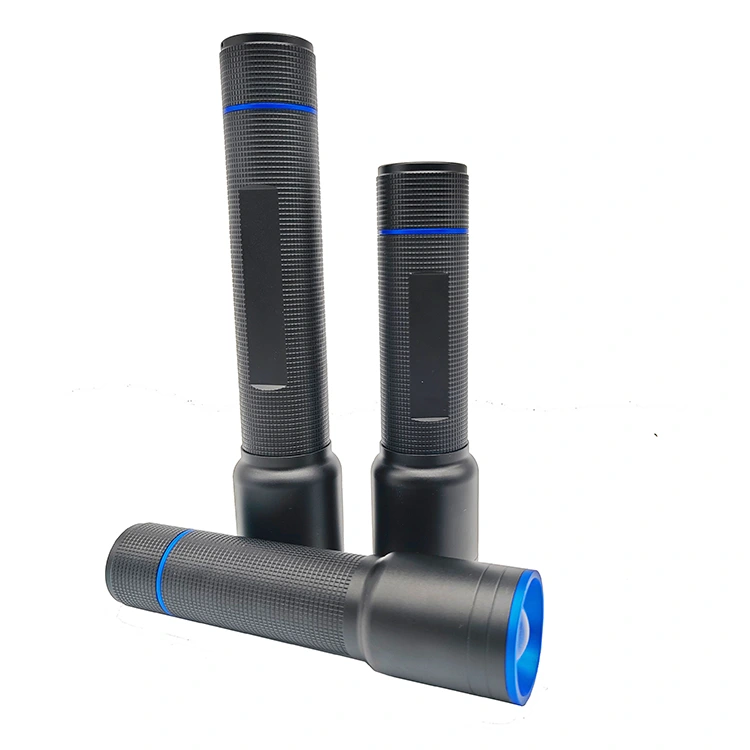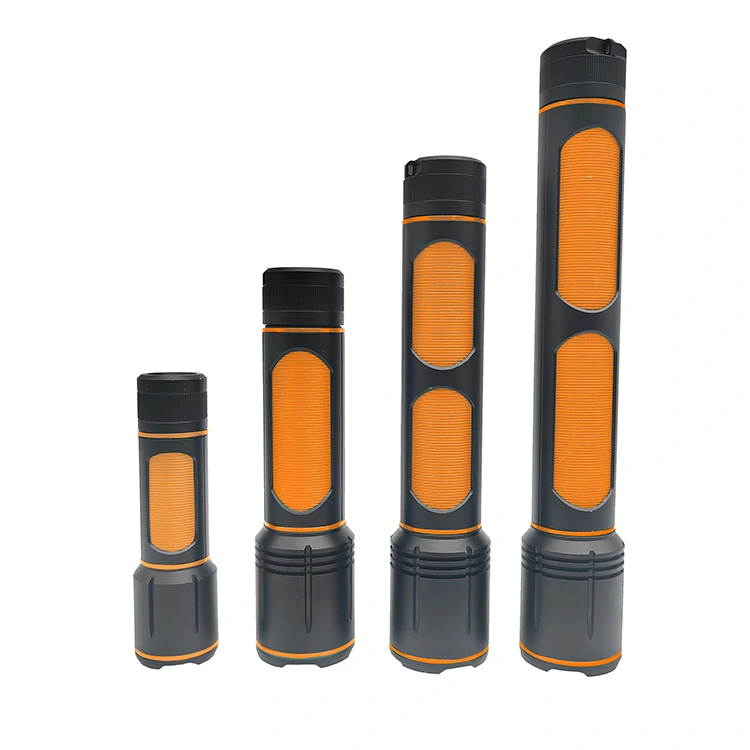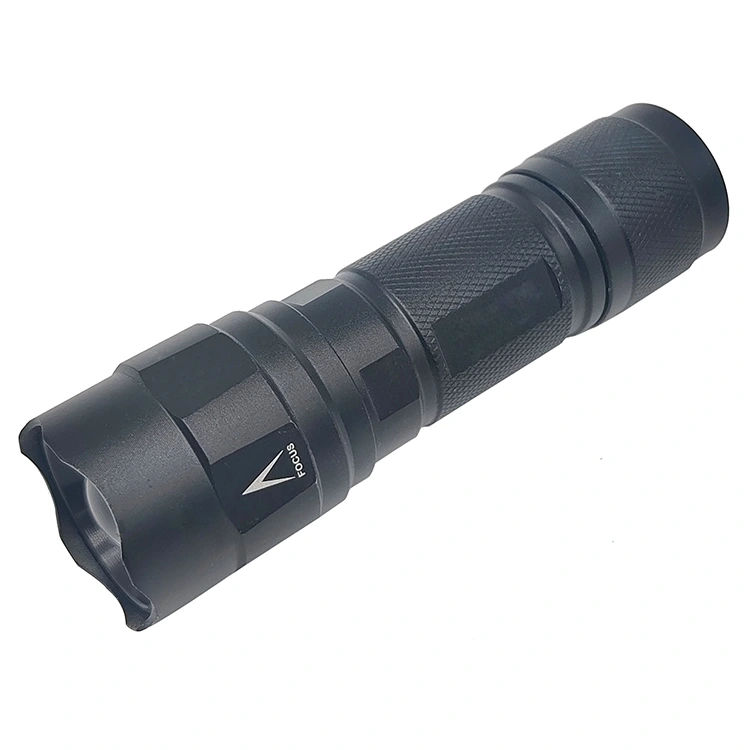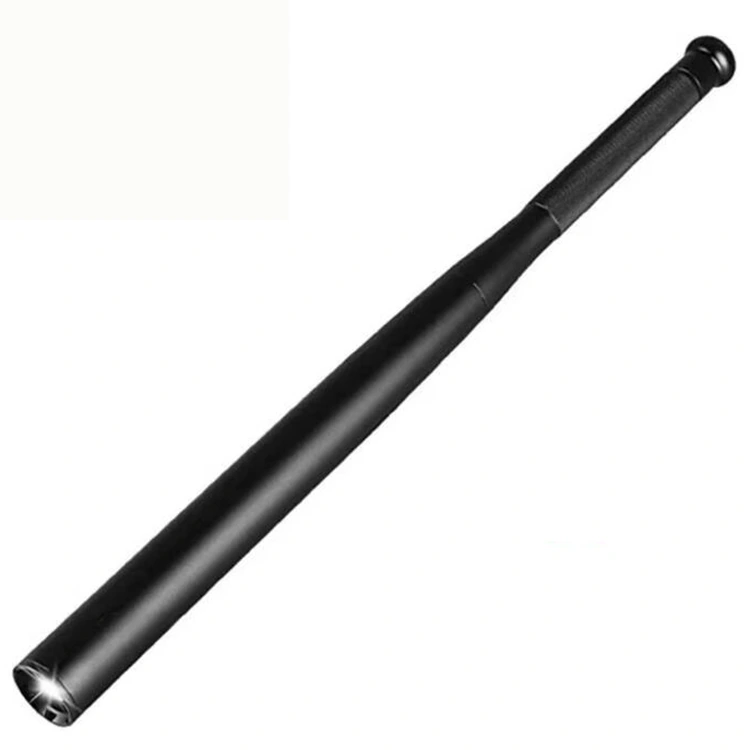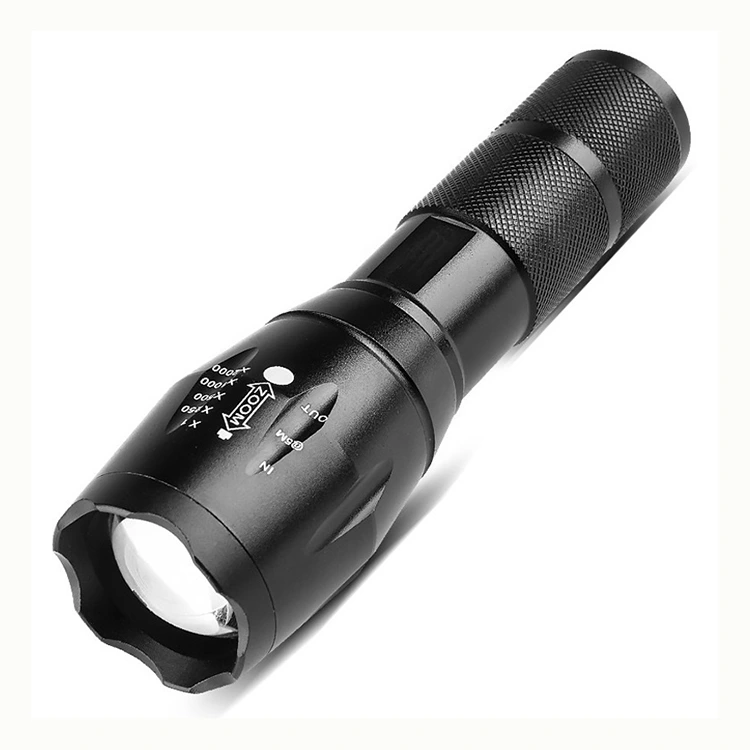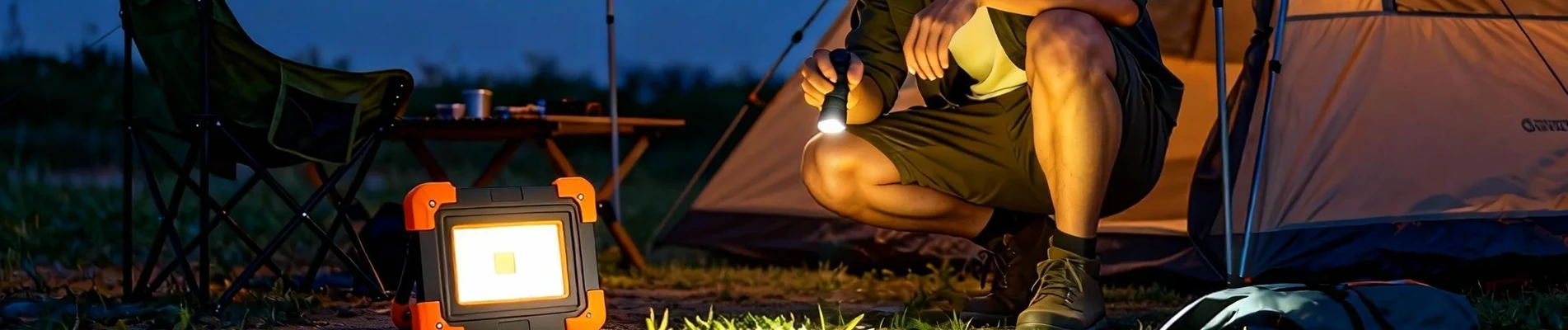
In the realm of portable illumination, the high-intensity tactical and outdoor lighting market has evolved dramatically. Discerning users—from wilderness explorers and security professionals to emergency responders and savvy homeowners—demand more than just a beam of light. They require a reliable, powerful, and feature-rich tool that performs under pressure. This guide delves into the core specifications, applications, and selection criteria for modern High Power Flashlights, providing you with the detailed information needed to make an informed decision.
Core Features & Technological Advantages
Today's premier high power flashlights are engineering marvels, integrating advanced optics, robust materials, and smart electronics. The key differentiators lie in several critical areas:
Utilizing LEDs like CREE XML2, XHP70.2, or Luminus SFT40, these flashlights deliver exceptional lumens with high efficiency and excellent color rendering.
Precision-engineered smooth, orange peel, or TIR (Total Internal Reflection) lenses shape the beam, creating the perfect balance of intense hotspot for throw and a wide, useful spill for peripheral illumination.
Aerospace-grade aluminum alloy (often with MIL-STD-810G certification) or stainless steel bodies provide impact resistance, while advanced anodizing offers corrosion protection.
Regulated circuits maintain consistent brightness as battery power drains, and offer multiple output modes (from a firefly moonbeam to a blinding turbo) alongside features like memory mode and strobe.
Efficient heat sinking through designed body fins and thermal path engineering prevents overheating, ensuring sustained high output without damage.
Detailed Product Specifications
Understanding the specifications is crucial to matching a flashlight to your specific needs. Below is a comprehensive breakdown of the typical parameters for a top-tier high power flashlight model, such as our "LuminX Pro-10K".
Professional & Recreational Applications
A high power flashlight is a versatile tool. Its applications span numerous fields:
For suspect illumination, building searches, scene preservation, and as a non-lethal deterrent (strobe function).
Critical for night operations, signaling, and illuminating large swathes of terrain from a distance or from the air.
Essential for night hiking, camping, cave exploration, and wildlife observation where reliable, far-reaching light is a safety necessity.
Inspecting dark compartments, construction sites, mechanical rooms, and power stations where hands-free or high-output light is required.
A cornerstone of any kit for power outages, natural disasters, or vehicular breakdowns, providing light and a means of signaling.
Used for vessel checks, roadside repairs, and engine diagnostics in low-light conditions.