



Call Us
+86-574-65133939
Email Us
sales@lumen-lites.com

LED Work Light vs. Traditional Work Light: Which is Better?
I used to rely on my old-fashioned halogen work lamp. It is heavy, generates a lot of heat, and can even cook eggs, but it is indeed reliable. Until one day, I accidentally knocked it off the ladder. It wasn't broken, but exploded like a glass bomb, and the fragments scattered on the newly poured epoxy resin floor. That disaster took me an entire afternoon to clean up, and I cursed a lot. A friend of mine switched to LED lights a few years ago, he just smiled and handed me his spare light. "Try this," he said, "you'll never go back to the halogen light." I rolled my eyes, but he was right. That little incident forced me to stop clinging to tradition and instead objectively examine the work lamp we use every day. In the past few months, I have compared two types of lamps on a real construction site (not in the laboratory), and now I will analyze the LED work lamp and the traditional work lamp with an objective and fair attitude. The problem of "old and reliable" makes us look at traditional lamps fairly. For decades, halogen lamps and incandescent lamps have been the backbone of construction lighting. They are very cheap to buy, and you can get one for twenty dollars at any hardware store. Their lights are also very soft, and some old-fashioned electricians still like this feeling, which makes people feel very intimate. But they won't tell you these harsh truths when you check out. Overheating problem: I have personally seen a halogen lamp placed on a wooden sawing frame for twenty minutes, and the wood under it began to smoke. This is by no means an exaggeration. If you are working in a narrow construction site and there is sawdust or chemical smoke around, it will cause a serious fire hazard. You must pay attention to its position at all times, and you must wait 15 minutes for it to cool before you can clean it up. "Glass bomb" problem: Just like my story about epoxy flooring, these things are fragile. The glass bulb is exposed, and if you drop it or get hit by a passing tool truck, you'll have to start sweeping up the glass shards. If you work in the automotive industry or any other environment with liquids, the bulb will also shatter when splashed with water at high temperatures. This is a safety hazard. Energy consumption: This is the real culprit that quietly empties your wallet. A standard 500-watt halogen lamp consumes 500 watts of electricity. This means that if you turn on the light for 8 hours, only one light will consume 4 kilowatt-hours of electricity. In contrast, a 50-watt LED lamp is brighter and consumes only 50 watts of electricity. After a year, the electricity bill of traditional lamps is much higher than that of LED lamps. Why did I finally switch to LED lights: The first time I used my friend's LED work lamp, I was very unhappy because the light was too white and felt cold like an hospital. But after using it for 10 minutes, I found that I could see the texture of the wood being sanded and the fine scratches on the paint being repaired. It is not only bright, but also very clear. This kind of clarity can only be truly felt when doing fine work at 7 p.m. on a winter night. The durability is a world apart. My LED lamp fell off a 12-foot-high forklift. It bounced, and the shell had some scratches, but the light was still on. Without filament, it won't break; There is no glass, so it won't break. For someone like me who has a fast work pace and often drops things, this is a lifesaving straw. The advantage of "setting it up and then not having to worry about it." What is the best thing? With the LED light, I don't have to keep an eye on it all the time. I can place it near fabric or wood without worrying that it will catch fire. After using it for 8 hours, I touched the casing and it was only warm, not hot to the touch. This means that I can place the light where it really needs to be, rather than just placing it in a "safe" location. One thing you need to consider. Okay, I'll tell you the truth. Not all LED lights are good. Cheap LED lights are garbage. They will flash and emit a blinding blue light that hurts the eyes. In addition, the lifespan of cheap LED lights is not as advertised. If you spend $30 on an unknown brand LED work light, you will hate it, and you will blame the LED technology. But this is about the brand, not the technology. High-quality LED lights use better chips (such as COB or SMD) to produce a higher color rendering index (CRI). You need a color rendering index of more than 80 to correctly distinguish colors. Conclusion: Which one is better? I told my apprentice a principle: if you only do a small job during the day in a month, then buy a cheap halogen lamp. It can be used. But what if you are a professional, an amateur furniture maker on weekends, or anyone who values time and safety? You will definitely switch to LED lights. There is no comparison at all. LED lights are the best choice due to their safety, clarity, and energy-saving features. I only use halogen lamps under the following circumstances: I still have a halogen lamp in my truck. Why? Because in the cold winter, I use it to warm my hands. This is really its only use now. What to pay attention to when buying LED lights: If you plan to change the light, don't just buy the cheapest on Amazon. Pay attention to the following features: foldable/adjustable stand: Can the light be adjusted to the desired angle? Mobile power function: This function is very important. Many new LED lights are equipped with USB interfaces, which can charge mobile phones or drill batteries. Waterproof and dustproof: If you work outdoors, check the IP protection level (IP65 is best). Power and lumens: Don't judge brightness by power, but pay attention to the lumens value. 3000 lumens is a work lamp with sufficient brightness. Disclaimer: This article is based on my personal experience of using various work lights in the construction and automotive industries over the past 15 years. Your actual experience may be different, but I guarantee that once you experience LED lights, you will never want to use those "antiques" with hot and heavy glass covers again.
Send Inquiry
X
We use cookies to offer you a better browsing experience, analyze site traffic and personalize content. By using this site, you agree to our use of cookies.
Privacy Policy
News
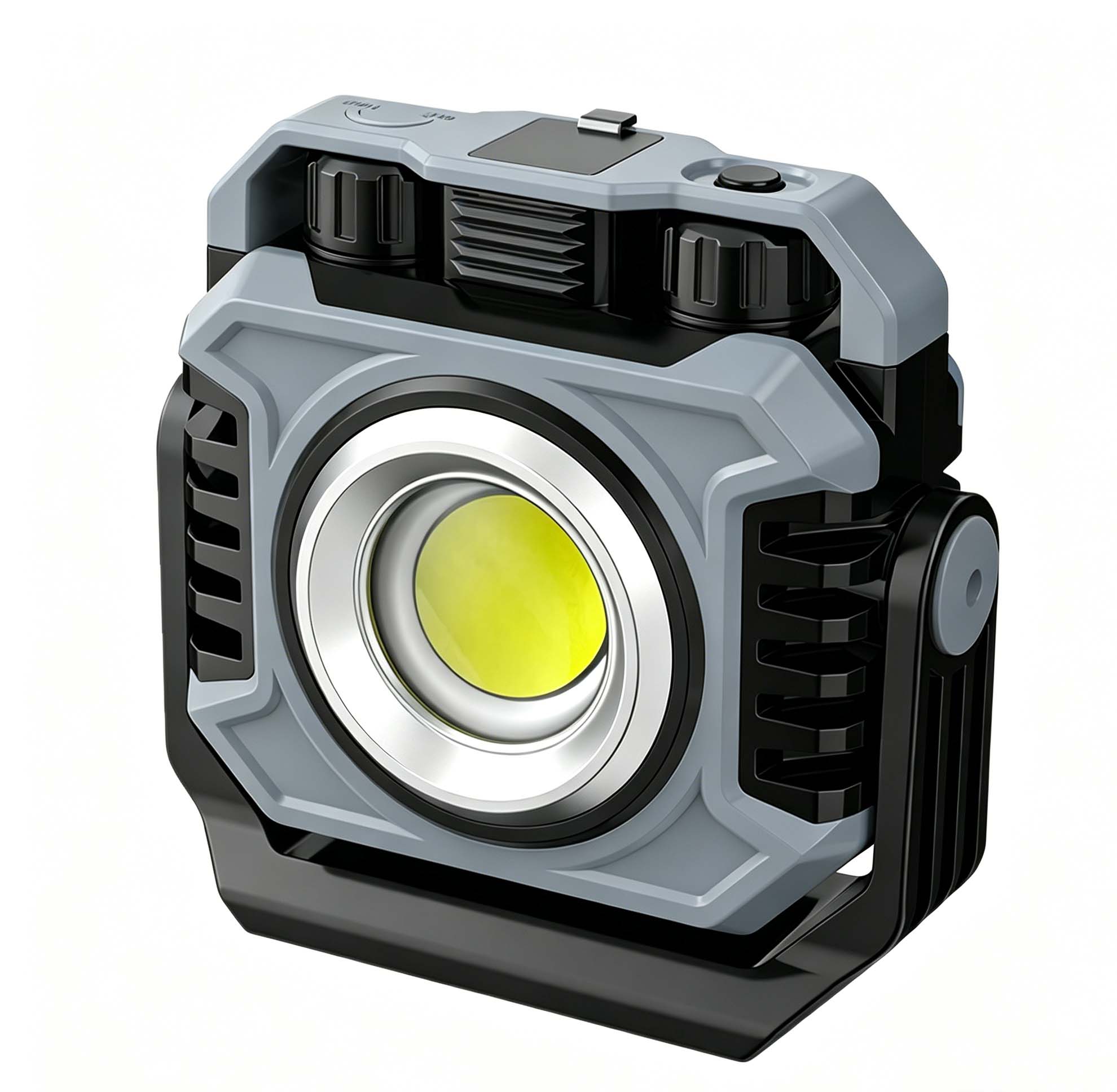 LED Work Light vs. Traditional Work Light: Which is Better?2026/07/26
A halogen work light fell off a ladder, shattering glass all over the floor—and shattering my 15‑year habit along with it. What makes LED so much better? A veteran construction worker’s head‑to‑head comparison: brightness, durability, electricity bills—who’s the real king of the job site?
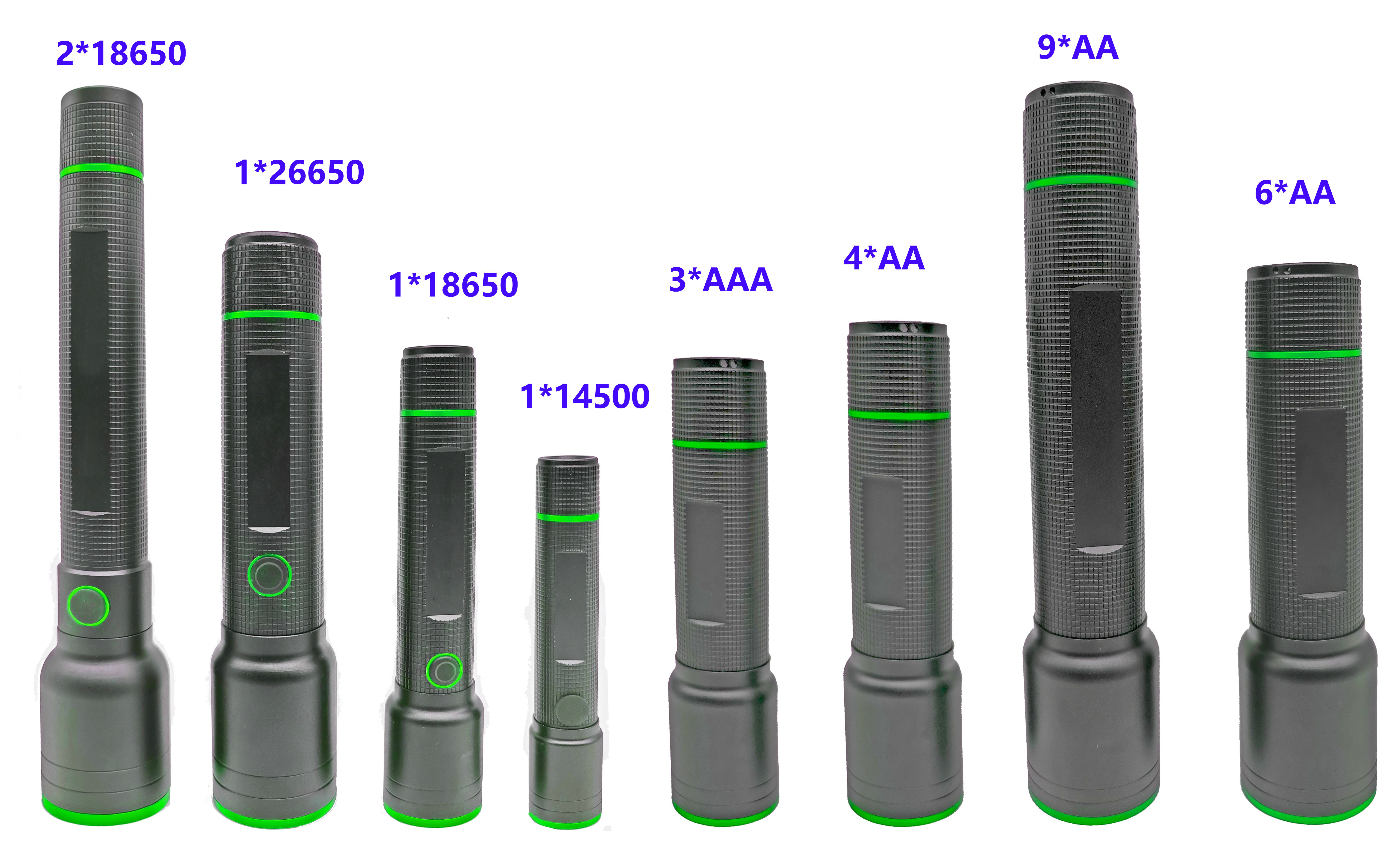 How to Choose a Reliable LED Flashlight Manufacturer in China for Wholesale and OEM Orders?2026/05/06
Choosing the right LED flashlight manufacturer is essential for building a successful business in the lighting industry. By working with a trusted partner like Liuming Lighting, you can ensure high-quality products, competitive pricing, and reliable long-term supply. Whether you are looking for fl......