



Call Us
+86-574-65133939
Email Us
sales@lumen-lites.com

What unforeseen field‑failure sources emerge for compact zoom‑type clip flashlight private‑label batches?
Retail buyers often judge compact zoom‑clip flashlights from demonstration‑unit experience. The showroom sample smoothly toggles between spot and flood beams; the metal clip snaps firmly onto belts; runtime and brightness look fully aligned with datasheet figures. But retail reality unfolds differently once thousands of units ship out to end‑consumers. Many failure modes do not manifest during brief showroom testing. They accumulate slowly from repeated pocket vibration, continuous zoom‑head friction, temperature swings from seasonal storage, and minor component‑lot deviations. These subtle flaws generate scattered‑but‑persistent negative reviews, rising RMA rates and marketplace listing penalties, even when pre‑shipment visual inspection appears to pass. Liuminglight structures Mini Clip Zoom LED Flashlight production workflows around accelerated real‑world simulation testing, clip‑fatigue validation and zoom‑mechanical wear‑cycle sampling, exposing these hidden failure pathways before goods reach retail‑distribution channels.
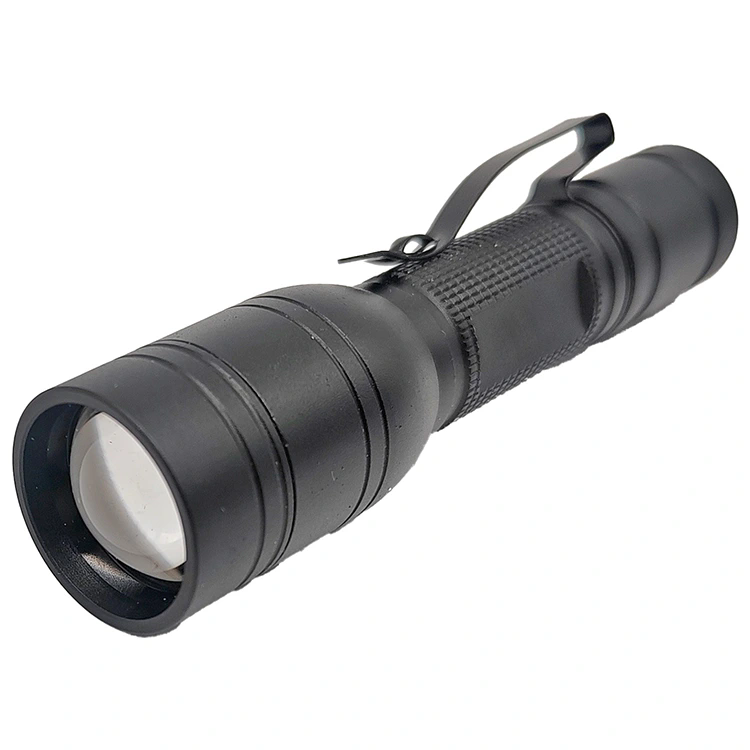
1. Accelerated zoom‑head friction cycle testing detects internal‑lens loosening risks
Manual short‑time sample operation cannot predict long‑term zoom‑mechanism durability. Repeated twisting of the telescoping lamp‑head inside user pockets, tool‑bags or backpacks creates cumulative mechanical friction. Poorly dimension‑matched plastic‑metal mating threads gradually develop play; internal optical lens assemblies grow loose. Beam performance drifts: spot‑light deforms into blurry uneven illumination, or the lens shifts completely inside the housing. This failure mode occurs randomly across retail batches and cannot be caught by static visual QC checks. Liuminglight subjects each new tooling version to thousands‑cycle zoom‑twist lab simulation. Looseness‑threshold acceptance criteria filter out problematic mechanical fits long‑before mass‑production release, stabilising beam‑consistency for private‑label retail SKUs.
2. Spring‑steel pocket‑clip multi‑direction fatigue evaluation avoids in‑field clip‑fracture incidents
Most suppliers only perform static clip‑bend manual checks on prototype samples. In real‑world use, the clip undergoes complex stress: repeated clipping onto thick belt webbing, backpack straps, squeezing inside tight trouser‑pockets, accidental side‑impact loads. Inferior spring‑steel material or improper stamping‑heat‑treatment creates hidden micro‑cracks. After hundreds of open‑close cycles, the clip snaps off completely, causing flashlight loss and triggering consumer complaints. Liuminglight executes multi‑axis clip‑fatigue testing simulating real‑user mounting‑and‑detaching motions. Lot‑wise material hardness verification confirms spring‑steel temper compliance, lowering clip‑break‑related retail‑return volumes for compact flashlight assortments.
3. AA‑battery contact‑spring performance validation suppresses intermittent power‑cut user complaints
Compact AA‑driven flashlights rely on small coiled metal springs inside the tail‑cap to maintain electrical contact. Under continuous road‑vibration during transport or daily pocket jostling, springs with insufficient compression‑resilience develop contact‑intermittency. Users report random sudden shut‑offs during walking, climbing or tool‑carrying scenarios. The issue vanishes once users manually re‑twist the tail‑cap, making root‑cause diagnosis difficult for retail after‑sales teams. Liuminglight carries out sustained vibration‑table testing with standard‑spec AA cells for finished assemblies. Spring‑compression‑deflection characteristics are locked per‑production‑lot, reducing mysterious intermittent power‑failure feedback from e‑commerce end‑buyers.
4. LED bin‑control stabilises real‑world lumen output matching marketing‑label claims
Generic mass‑assembly mixes LED chips across wide bin‑ranges without classification screening. Even with identical nominal wattage, slight bin‑to‑bin chip differences create tangible brightness divergence across retail‑shelf units. Some flashlights deliver noticeably dimmer light output than advertised, hurting perceived product value. Simple handheld‑visual comparison by QC staff cannot quantify lumen deviation accurately. Liuminglight groups LED components according to luminous‑flux bins prior to assembly. Representative finished‑unit photometric measurement references ANSI/NEMA FL1‑test‑methodology, ensuring batch‑to‑batch brightness consistency and mitigating consumer‑disappointment arising from unmet brightness‑expectations.
5. Zoom‑housing debris‑trap design assessment reduces particle‑induced mode‑switch malfunctions
Zoom‑telescopic gaps act as natural debris entry points. In workshop, construction‑site or outdoor‑trail usage, fine sand, textile lint and metal dust creep into clearance gaps. Contaminants interfere with internal mode‑switch mechanical parts, leading to uncommanded mode‑jumping between high‑low‑strobe settings. Many flashlight manufacturers overlook debris‑ingress risk during prototype validation. Liuminglight simulates dust‑laden operating‑environment in pre‑production qualification phase, evaluating whether zoom‑sliding‑path geometry accumulates disruptive particulate matter. Optimised internal‑gap layout lowers contamination‑triggered mode‑malfunction probability for field‑deployed mini‑clip flashlights.
6. Private‑label‑oriented batch‑traceable compliance dossiers simplify global retail‑chain audit
Electronics‑focused retail‑chain audits demand component‑level material documentation covering aluminum housing, spring‑steel clip, LED and internal circuit‑board. Generic one‑time prototype certificates will not satisfy serial‑production‑batch audit requirements. Without proper REACH, RoHS supporting records, private‑label flashlight shipments risk customs hold‑up within European markets. Liuminglight compiles lot‑associated English‑language compliance‑dossiers covering each material component of mini‑clip zoom flashlight. These documents are tailored for private‑label programme submission, removing extra third‑party sample‑testing financial burden for cross‑border retail operators.
Send Inquiry
X
We use cookies to offer you a better browsing experience, analyze site traffic and personalize content. By using this site, you agree to our use of cookies.
Privacy Policy
News
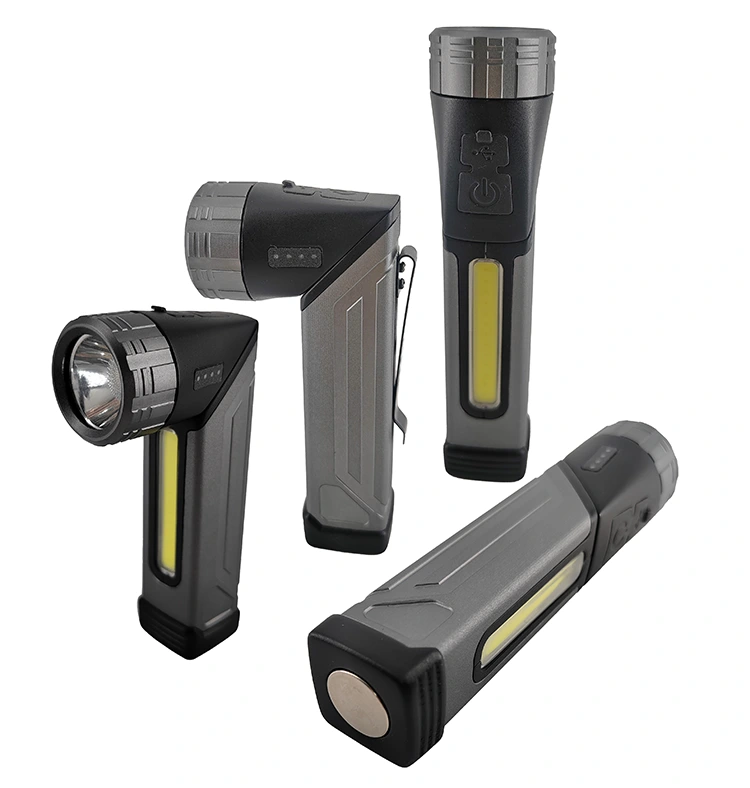 What Are Global Buyers Looking for When Purchasing LED Flashlights in 2026?2026/10/06
The global demand for LED flashlights continues to create opportunities for distributors, wholesalers, outdoor retailers, industrial suppliers and private label brands. However, for professional buyers, purchasing a flashlight is no longer simply about finding the lowest unit price. In 2026, buye......
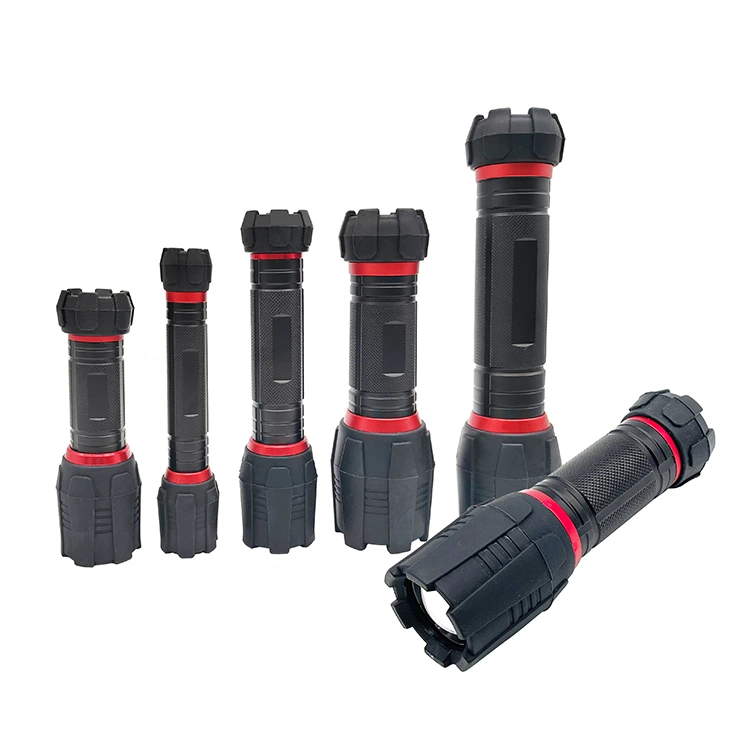 How Many Lumens Do You Really Need in a Flashlight? A Complete Buying Guide2026/10/04
When choosing a flashlight, one of the first specifications buyers look at is lumens. A flashlight with 500 lumens, 1,000 lumens, 2,000 lumens, or even 2,500 lumens can provide very different lighting performance and may be suitable for different applications. For distributors, wholesalers, retai......