



Call Us
+86-574-65133939
Email Us
sales@lumen-lites.com

How Are LED Flashlights Used in Everyday Life, Outdoor Activities, and Professional Work?
1. Everyday Household Lighting
One of the most common uses of an LED flashlight is everyday household lighting.
Power outages, nighttime repairs, dark storage areas, and outdoor household tasks can all require a convenient portable light source. A compact flashlight is easy to store in a drawer, toolbox, vehicle, or emergency kit.
For general household use, consumers often look for products that are lightweight, simple to operate, and easy to carry.
Common applications include:
• Finding items in dark cupboards or storage rooms
• Checking basements, garages, and utility areas
• Lighting pathways around the home at night
• Inspecting appliances and household equipment
• Providing temporary illumination during power outages
Compact LED flashlights are especially useful because they can be kept close at hand without taking up much storage space.
For households that want a versatile lighting solution, rechargeable models can reduce the need to replace disposable batteries, while traditional battery-powered models can be useful when access to charging is limited.
The right choice depends on usage frequency, preferred power source, budget, and convenience.
2. Camping and Outdoor Recreation
Outdoor activities often take place in environments where streetlights and electrical outlets are unavailable. Portable lighting is therefore an important part of camping equipment and outdoor preparation.
LED flashlights can help campers illuminate tents, locate equipment, navigate campsites, and perform routine tasks after sunset.
Different outdoor activities may require different lighting designs.
Camping flashlights provide portable illumination for general campsite activities.
Headlamps allow users to keep their hands free while setting up tents, preparing equipment, or walking along trails.
Rechargeable flashlights offer a convenient power solution for users who have access to suitable charging equipment.
Searchlights can be useful for applications that require a more concentrated beam, depending on the model's optical design and performance.
When selecting a flashlight for outdoor use, consumers should consider its weight, operating modes, battery life, beam pattern, and resistance to environmental conditions.
Water resistance can also be important when equipment may be exposed to rain or splashing water. Buyers should check the product's actual protection rating rather than assuming every outdoor flashlight is waterproof.
A suitable outdoor lighting setup helps users prepare for changing conditions and makes nighttime activities more convenient.
3. Emergency Preparedness and Power Outages
Unexpected power outages can occur because of severe weather, equipment failures, or other disruptions. A portable flashlight provides a practical source of illumination when normal lighting systems are unavailable.
LED flashlights are commonly included in household emergency kits, vehicle emergency supplies, and workplace preparedness equipment.
Useful features for emergency lighting may include:
• Straightforward switch operation
• Convenient storage and portability
• Reliable access to a suitable power source
• Adequate runtime for the intended application
• Durable construction appropriate to the environment
• Clearly identified operating modes
For emergency preparedness, runtime is often just as important as maximum brightness.
A flashlight advertised with a high lumen output may consume more power at its brightest setting. Users should therefore review runtime information for the actual operating modes they expect to use.
Keeping spare batteries or maintaining a charged rechargeable flashlight can also help ensure that the product is ready when needed.
For households, vehicle owners, and organizations purchasing emergency supplies in quantity, choosing practical products with clear specifications can simplify preparation and routine maintenance.
4. Automotive Maintenance and Roadside Use
LED flashlights are useful tools for vehicle owners, mechanics, and roadside assistance personnel.
A portable light can illuminate areas that are difficult to see under a vehicle hood, around tires, or inside the passenger compartment.
Depending on the task, users may choose a handheld flashlight, a rechargeable work light, or a headlamp.
Handheld flashlights are convenient for checking vehicle components and inspecting dark areas. Work lights can provide broader illumination when users need to see a larger working area. Headlamps are useful when both hands are needed for repairs.
Important considerations for automotive applications include:
• Suitable brightness and beam distribution
• Convenient handling and positioning
• Adequate operating time
• Housing durability
• Compatibility with the working environment
• Charging or battery replacement convenience
A light that provides a broad, even beam may be more useful for inspecting an engine compartment than one designed primarily for long-distance illumination.
Similarly, a compact flashlight may be easier to store in a glove compartment or emergency tool kit.
For commercial workshops and automotive service businesses, selecting lighting products according to actual tasks can improve convenience without requiring every worker to use the same flashlight design.
5. Industrial Maintenance and Professional Work
In professional environments, lighting is often required for inspection, repair, installation, and routine maintenance.
Technicians may need to illuminate machinery, electrical enclosures, storage areas, production equipment, and other locations where fixed lighting does not reach effectively.
LED work lights and COB work lights are useful options for tasks requiring broader illumination.
COB stands for Chip on Board, a packaging technology that places multiple LED chips closely together on a substrate. COB lighting can produce a broad illuminated area, making it suitable for many close-range work-light applications.
Different professional tasks have different lighting requirements.
For example, a technician inspecting a small component may prefer a focused beam, while a worker repairing equipment may benefit from a broader work light.
When selecting lighting for professional use, consider:
• Required illumination area
• Working distance
• Mounting or positioning options
• Operating time
• Housing and lens durability
• Power source and charging arrangements
• Environmental conditions
In industrial settings, product suitability should be assessed against the actual working conditions. Ordinary flashlights should not be assumed suitable for hazardous locations or environments requiring specialized safety ratings.
Choosing a light based on its intended application helps businesses avoid paying for features they do not need while ensuring that essential requirements are addressed.
6. Security, Inspection, and Property Management
Portable lighting is also used in property management, routine security checks, building inspections, and general facility maintenance.
Workers may need to inspect entrances, parking areas, storage rooms, corridors, utility spaces, or outdoor property boundaries.
For these applications, the appropriate flashlight depends on the area being inspected and the distance at which objects need to be illuminated.
A focused beam may help users examine a specific distant area, while a wider beam can be more convenient for close-range inspection.
Practical selection factors include:
• Comfortable grip
• Easy access to controls
• Appropriate beam pattern
• Sufficient runtime
• Convenient storage
• Construction suitable for routine handling
A flashlight's maximum lumen rating alone does not determine how well it performs in every situation. Beam intensity, optical design, beam angle, and the distance to the target all affect the user's experience.
Organizations purchasing flashlights for staff should also consider consistency across product models, battery availability, and ease of maintenance.
These details become particularly important when a company needs to supply the same type of equipment to multiple employees or locations.
7. Choosing Between Aluminum and Plastic Flashlights
Flashlight housing materials influence weight, handling, appearance, and suitability for different applications.
Aluminum and plastic are both widely used in flashlight construction, but they offer different characteristics.
Aluminum Flashlights
Aluminum flashlights are often selected for their rigid housing and solid feel. Depending on the design and finish, they can be suitable for everyday carry, outdoor activities, maintenance, and general-purpose use.
Buyers should review the actual dimensions, weight, surface finish, and construction of each model rather than assuming all aluminum flashlights have identical performance.
Plastic Flashlights
Plastic flashlights can offer lightweight handling and flexibility in product design. Depending on the model, they may be suitable for household use, general-purpose lighting, promotional programs, and other applications where cost and portability are important considerations.
The material grade, housing design, and assembly quality all affect the finished product.
For distributors and retailers, maintaining a range of flashlight designs can help address different customer preferences and price points.
The best material is the one that matches the intended application, product requirements, and target market.
8. Rechargeable Flashlights and Battery-Powered Models
Power source is another important factor when selecting an LED flashlight.
Rechargeable flashlights are designed to be used with a compatible charging system. They may be convenient for people who use their lighting equipment frequently and have access to suitable charging facilities.
Battery-powered flashlights use replaceable batteries, depending on the model. They can be practical for occasional use or situations where charging opportunities are limited.
Before choosing between these options, consider:
Usage frequency: Frequent users may value the convenience of recharging, while occasional users may prefer a model that can be stored with suitable replacement batteries.
Runtime: Compare the manufacturer's runtime information for the operating modes you expect to use.
Charging arrangements: Check the charging interface, power requirements, and availability of compatible accessories.
Battery replacement: Confirm the correct battery type and whether replacements are readily available.
Storage and maintenance: Follow the manufacturer's instructions for charging, storage, and battery care.
Neither power system is automatically the best choice for every application. The right option depends on user habits, operating conditions, and the total cost of ownership.
9. What Should Buyers Consider When Selecting LED Flashlights?
Consumers and businesses should start by identifying the main purpose of the flashlight.
A product designed for casual household use may not provide the most suitable beam pattern or runtime for industrial maintenance. Likewise, a large searchlight may be unnecessary for someone who needs a compact everyday light.
The following factors can help guide product selection.
Brightness: Check the stated lumen output and determine whether it is appropriate for the intended task.
Beam pattern: Consider whether the application requires focused illumination, broad coverage, or an adjustable beam.
Power source: Compare rechargeable and replaceable-battery options.
Runtime: Review the operating time associated with different modes.
Size and weight: Consider whether the product will be carried in a pocket, stored in a vehicle, or used for extended periods.
Housing material: Evaluate the product's construction and suitability for its intended environment.
Environmental protection: Check any claimed water-resistance or dust-protection ratings.
Ease of operation: Consider switch design, charging access, and the simplicity of routine maintenance.
For business buyers, additional factors may include packaging, product consistency, order quantities, available customization, and the ability to maintain supply for future orders.
A clear list of requirements makes it easier to compare different products and select the most suitable option.
10. The Role of LED Flashlights in the Lighting Market
LED flashlights serve a wide variety of consumer and professional applications, from household emergency kits to outdoor equipment and maintenance tools.
This diversity creates opportunities for lighting distributors, wholesalers, retailers, and brands to offer products suited to different customers.
A retailer serving outdoor enthusiasts may focus on camping lights, headlamps, and portable rechargeable flashlights. A hardware distributor may require general-purpose flashlights, work lights, and practical lighting accessories. Businesses serving maintenance professionals may prioritize work-light designs and products suited to frequent use.
For companies building a lighting product range, understanding customer needs is more useful than simply selecting products based on appearance or maximum brightness.
Clear product specifications, suitable packaging, consistent quality, and dependable supply arrangements all contribute to a better purchasing experience.
Manufacturers and suppliers can support this process by providing accurate product information and helping buyers identify models that match their intended applications.
Conclusion
LED flashlights remain useful across everyday life, outdoor recreation, emergency preparedness, automotive maintenance, industrial work, and property inspection.
Different applications call for different product features. Brightness, beam pattern, runtime, housing material, power source, and environmental protection should all be considered when selecting a flashlight.
For consumers, understanding these factors helps identify products suited to specific tasks. For distributors and retailers, offering a well-selected range of aluminum flashlights, plastic flashlights, rechargeable flashlights, work lights, camping lights, searchlights, and headlamps can help meet the needs of different customer groups.
Liuming Light provides a range of lighting product categories for buyers exploring portable lighting solutions.
Visit www.liuminglight.com to explore the available products and learn more about the company's lighting range.
Send Inquiry
X
We use cookies to offer you a better browsing experience, analyze site traffic and personalize content. By using this site, you agree to our use of cookies.
Privacy Policy
News
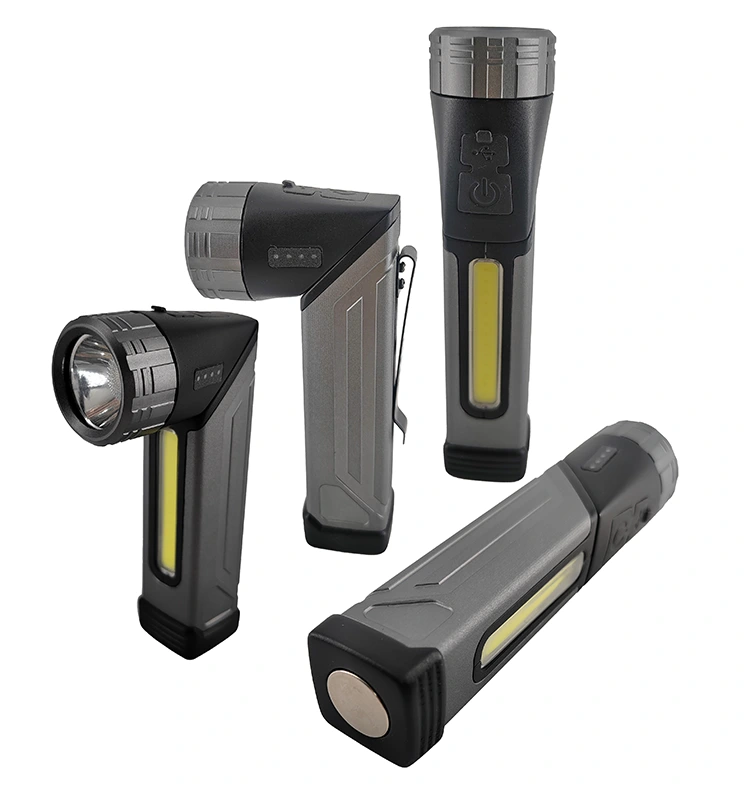 What Are Global Buyers Looking for When Purchasing LED Flashlights in 2026?2026/10/06
The global demand for LED flashlights continues to create opportunities for distributors, wholesalers, outdoor retailers, industrial suppliers and private label brands. However, for professional buyers, purchasing a flashlight is no longer simply about finding the lowest unit price. In 2026, buye......
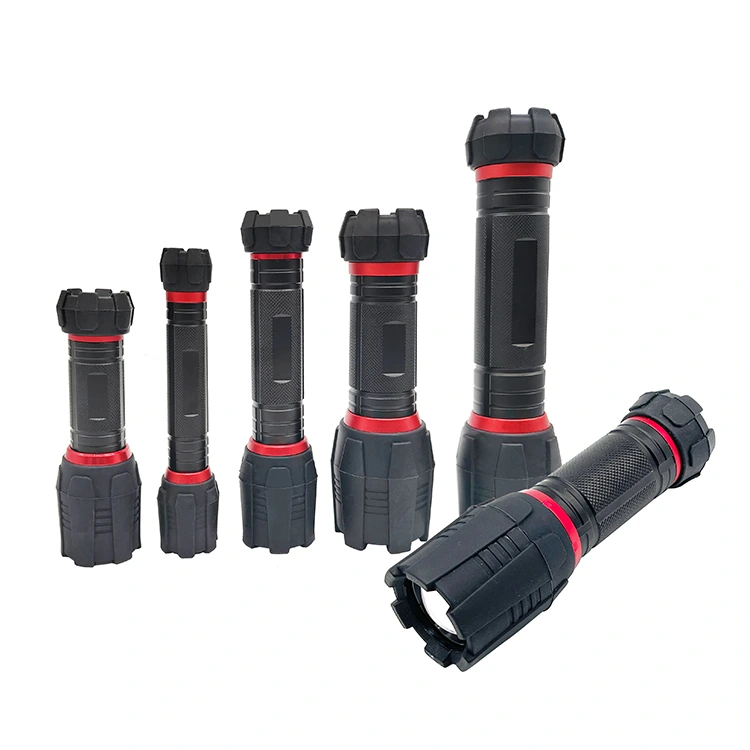 How Many Lumens Do You Really Need in a Flashlight? A Complete Buying Guide2026/10/04
When choosing a flashlight, one of the first specifications buyers look at is lumens. A flashlight with 500 lumens, 1,000 lumens, 2,000 lumens, or even 2,500 lumens can provide very different lighting performance and may be suitable for different applications. For distributors, wholesalers, retai......