



Call Us
+86-13819895729
Email Us
Sales2@lumen-lites.com

How to Create a Product Specification Sheet for Wholesale LED Flashlight Orders
For importers, wholesalers, distributors, and retail purchasing teams, a successful LED flashlight order begins with clear product specifications. When purchasing requirements are incomplete or inconsistent, buyers may receive products that differ from their expectations in appearance, performance, packaging, or functionality.
These differences can create additional inspection work, delay product launches, and increase communication costs between purchasing teams and suppliers.
A well-prepared product specification sheet helps both parties understand exactly what is being ordered. It provides a common reference for quotations, sample approval, production, quality inspection, and repeat purchases.
For businesses sourcing aluminum flashlights, plastic flashlights, rechargeable flashlights, work lights, camping lights, or headlamps, establishing clear specifications is an important step toward more predictable purchasing.
This article explains how B2B buyers can prepare a practical LED flashlight specification sheet and use it throughout the purchasing process.
1. Define the Intended Sales Channel
Before specifying a flashlight, identify where and how the product will be sold.
Different sales channels have different requirements for product features, packaging, presentation, and documentation.
For example, hardware retailers may prefer practical handheld flashlights with straightforward packaging and clearly stated specifications. Outdoor equipment distributors may need compact products suitable for camping and recreational use. Industrial suppliers may require work lights designed for specific maintenance tasks.
Consider the following questions:
• Who will purchase or use the product?
• What is the main application?
• What retail price range are you targeting?
• Will the product be sold individually or in multipacks?
• Does the sales channel require specific packaging or barcodes?
• Are there customer-specific documentation requirements?
Answering these questions before requesting quotations helps narrow the product selection and prevents unnecessary revisions later.
For distributors supplying multiple markets, it may also be useful to maintain separate specification sheets for different customer groups rather than applying one set of requirements to every product.
2. Assign a Unique Model Number to Every Product
Model identification is essential when purchasing several flashlight designs from the same supplier.
A product name alone may not be sufficient to distinguish products with similar appearances but different technical specifications.
Each product should have a unique model number or reference code. The specification sheet should also include a product photograph, drawing, or other visual reference where available.
For example, purchasing records could identify products using fields such as:
• Internal SKU
• Supplier model number
• Product category
• Product photograph
• Approved sample reference
• Specification revision date
If a product is available in different colors, battery configurations, or packaging versions, record those differences explicitly.
The purpose is to ensure that the quotation, approved sample, purchase order, and final shipment all refer to the same product configuration.
This becomes especially important when a business purchases multiple models or places repeat orders over several months.
3. Document the Essential Technical Specifications
A product specification sheet should contain measurable requirements rather than relying only on general descriptions.
Terms such as premium quality, high brightness, durable construction, and long runtime are too broad to serve as reliable acceptance criteria on their own.
The following information is useful for most wholesale LED flashlight orders.
Specification
Information to Record
Product identification
Model number, product name, and reference image
Dimensions
Length, diameter, and other relevant measurements
Weight
Product weight and, where necessary, packaged weight
Housing
Material, finish, and color
Light output
Specified lumen rating and applicable test basis
Lighting modes
Required modes and operating behavior
Power source
Battery chemistry, quantity, and configuration
Charging
Charging method and compatible power requirements, where applicable
Runtime
Required operating time under defined test conditions
Accessories
Included components and accessories
Environmental protection
Required rating and supporting evidence, if applicable
Packaging
Individual package, carton configuration, and labeling
Not every field applies to every flashlight. Buyers should adapt the specification sheet to the selected model.
For instance, a rechargeable flashlight requires charging-related information that may not apply to a basic battery-powered product.
Likewise, a buyer requesting a water-resistance rating should identify the required rating and ask for appropriate supporting documentation rather than relying on an unverified marketing claim.
4. Specify Performance Requirements Clearly
Performance requirements deserve particular attention because product descriptions may use terms that are difficult to compare directly.
Brightness is a common example. A stated lumen value should be associated with the agreed measurement basis and, where relevant, the operating mode and testing conditions.
If runtime is important, define the expected runtime and clarify the conditions under which it should be measured.
Other performance characteristics may include beam pattern, switch operation, charging behavior, and the ability to operate in specified modes.
For work lights, buyers may also need to consider the illuminated area and whether the light distribution is appropriate for the intended task.
A useful specification sheet distinguishes between mandatory requirements and preferred features.
Mandatory requirements are conditions the product must meet before approval. Preferred features are desirable but may be negotiable if the supplier proposes a suitable alternative.
This distinction helps purchasing teams evaluate quotations consistently without allowing small optional differences to distract from essential product requirements.
5. Establish Material and Appearance Requirements
Appearance can influence customer satisfaction, particularly for products sold under a retailer's or distributor's brand.
However, appearance requirements should be described precisely enough for both parties to understand them.
For aluminum flashlights, buyers may specify the required housing material, surface finish, color, and visible appearance.
For plastic flashlights, relevant details may include housing color, surface texture, and the appearance of assembled components.
Where color consistency matters, a physical reference sample or an agreed color specification can be more useful than a general description such as black or dark gray.
The specification sheet can also identify unacceptable visible defects, such as cracks, significant scratches, uneven finishing, or loose components.
For customized products, keep approved artwork and product images attached to the relevant specification revision.
This reduces the risk of a production team working from outdated instructions or an earlier version of the product.
6. Define Packaging Requirements Before Ordering
Packaging is part of the product specification, not simply a final production detail.
The packaging format may affect retail presentation, product protection, storage, transportation, and warehouse operations.
Before confirming an order, determine whether the products require:
• Individual retail boxes
• Printed product information
• Brand logos
• Barcodes or SKU labels
• Instruction manuals
• Required warnings or markings
• Protective inserts
• Specific quantities per master carton
For products sold through retail stores, packaging may need to support shelf presentation and communicate key product features.
For business-to-business distribution, packaging may instead prioritize efficient handling, product identification, and protection during transportation.
If customized packaging is required, approve the final artwork before printing begins. Confirm the correct product name, model number, logo, and any technical information shown on the package.
Packaging dimensions and carton quantities should also be documented when they affect freight calculations or warehouse planning.
7. Prepare a Clear Sample Approval Process
A sample provides a physical reference for evaluating a product before mass production.
However, sample approval is only useful when both parties understand which characteristics are being approved.
Before approving a sample, compare it with the specification sheet and examine the relevant product features.
Depending on the model, checks may include:
• Product dimensions and appearance
• Housing material and finish
• Switch operation and lighting modes
• Battery configuration
• Charging functionality
• Accessories included
• Packaging quality
• Product labels and markings
If the sample does not meet the requirements, record the differences and request clarification or correction.
When the sample is approved, identify it in the purchasing records and retain the associated specification sheet.
If the supplier later proposes a component change, packaging revision, or other modification, require the change to be documented and approved before implementation.
This process helps prevent disagreements when the delivered products are compared with the original expectations.
8. Establish Inspection Criteria Before Mass Production
A specification sheet becomes more valuable when it is connected to a practical inspection plan.
Without predefined acceptance criteria, buyers and suppliers may disagree about whether a product defect is serious enough to reject an order.
Inspection requirements should reflect the product's intended use, the risks involved, and the purchasing agreement.
For a typical flashlight order, inspection criteria may address:
Appearance: Whether visible damage, incorrect finishes, or assembly defects are acceptable.
Functionality: Whether the switch, lighting modes, and charging functions operate as specified.
Dimensions and materials: Whether the product matches the approved measurements and material requirements.
Packaging: Whether the correct model, label, barcode, and packaging configuration have been used.
Performance: Whether any specified lumen, runtime, or environmental-protection requirements have been verified using agreed methods.
Buyers should also establish the inspection method, sample size, defect classification, and acceptance criteria where appropriate.
For larger orders, an independent inspection may provide additional verification before shipment.
The key is to agree on the inspection plan before production is completed rather than deciding the acceptance criteria after the goods are ready.
9. Include the Specification Sheet in the Purchase Order Process
Once the product specifications have been finalized, connect them directly to the purchase order.
The purchase order should identify the relevant model numbers, quantities, agreed prices, delivery requirements, and specification document revision.
For orders containing multiple products, use a separate line item for each model or configuration.
The specification sheet can then serve as a supporting reference for the quotation, approved sample, production instructions, and inspection report.
Before confirming the order, check that all documents are consistent.
For example, if the purchase order specifies a rechargeable flashlight, verify that the referenced specification sheet describes the correct charging configuration.
If the packaging artwork has been revised, ensure that the latest approved version is identified.
Document control becomes particularly important for repeat orders because product requirements can change over time.
A simple revision number and approval date can help purchasing teams avoid using outdated specifications.
10. Use Specifications to Make Supplier Quotations Comparable
When requesting quotations from multiple suppliers, provide the same specification sheet to each supplier.
This allows purchasing teams to compare offers against a consistent set of requirements.
A quotation comparison should consider more than the unit price. Depending on the project, buyers may also need to compare:
• Included accessories
• Packaging format
• Product performance
• Minimum order quantity
• Sample costs
• Customization charges
• Production lead time
• Inspection arrangements
• Applicable documentation
• Shipping terms
If a supplier proposes an alternative product, record the differences instead of treating the alternative as identical to the original specification.
For example, two products may have similar dimensions but different battery configurations, runtime characteristics, or packaging arrangements.
A clear comparison helps the buyer understand whether the price difference reflects a genuine commercial advantage or a difference in product requirements.
It also provides a stronger basis for negotiating changes without unintentionally reducing essential product standards.
11. Maintain Specifications for Repeat Orders
Repeat purchasing is easier when product information is recorded systematically.
For every approved model, maintain a file containing the latest specification sheet, reference photographs, approved sample details, packaging artwork, and relevant inspection records.
After each order, record any approved changes and update the specification revision when necessary.
Purchasing teams can also track recurring issues, such as packaging damage, inconsistent labeling, or deviations from agreed product dimensions.
These records help identify patterns and improve future orders.
For distributors managing many SKUs, a standardized product specification template can reduce administrative work and make it easier to onboard new purchasing staff.
It also helps ensure that the same product is described consistently across quotations, purchasing systems, warehouse records, and sales materials.
12. How Liuming Light Fits Into Your Product Sourcing Process
Liuming Light offers a range of portable lighting products, including aluminum flashlights, plastic flashlights, work lights, camping lights, searchlights, and headlamps.
For importers, wholesalers, and distributors, a clear specification process can help establish whether a particular product matches the requirements of the intended sales channel.
Before requesting a quotation, prepare the target model, required specifications, estimated quantity, packaging requirements, and expected delivery schedule.
If you are evaluating multiple products, organize the requirements by model so that the supplier can respond to each item clearly.
You can review the available product range at www.liuminglight.com and contact the company to discuss product specifications and purchasing requirements.
Providing complete information at the beginning of the sourcing process helps both parties understand the project and reduces unnecessary clarification during production.
Frequently Asked Questions
What information should a wholesale flashlight specification sheet include?
It should identify the product model, dimensions, materials, light output, power source, operating modes, runtime requirements, accessories, packaging, and applicable compliance requirements. The exact fields depend on the product design and intended market.
Why should buyers approve a sample before mass production?
Sample approval establishes a physical reference for the agreed product configuration. It helps buyers identify differences before a large quantity is manufactured and provides a basis for checking the finished order.
Should every flashlight model have a separate specification sheet?
Each distinct model or configuration should be clearly identified. Separate sheets are useful when products differ in important technical details, battery configurations, materials, or packaging requirements.
How can buyers prevent specification changes during production?
Document the approved requirements, identify the relevant revision, and establish a process for reviewing and approving changes. Any proposed change affecting the agreed product should be communicated before implementation.
Can the same specification sheet be used for repeat orders?
Yes, provided the product requirements remain unchanged. Buyers should confirm that the current revision is still valid and update the document whenever an approved change occurs.
How does a specification sheet help compare suppliers?
It gives each supplier the same requirements to quote against. Buyers can then compare prices, product features, packaging, lead times, and other commercial terms without confusing different product configurations.
Conclusion
A well-prepared product specification sheet is an essential purchasing document for businesses sourcing LED flashlights in bulk.
It helps importers, wholesalers, and distributors communicate product requirements clearly, compare supplier quotations consistently, approve samples, establish inspection criteria, and manage repeat orders.
By documenting product details before production begins, purchasing teams can reduce misunderstandings and create a more structured sourcing process.
Whether you are purchasing aluminum flashlights, plastic flashlights, rechargeable flashlights, work lights, camping lights, or headlamps, clear specifications provide a practical foundation for more consistent purchasing decisions.
Explore the lighting product range at www.liuminglight.com to identify suitable products for your business.
Previous:No News
Send Inquiry



X
We use cookies to offer you a better browsing experience, analyze site traffic and personalize content. By using this site, you agree to our use of cookies.
Privacy Policy
News
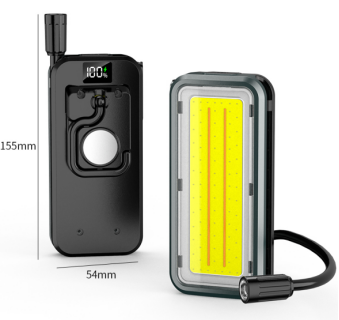 How to Create a Product Specification Sheet for Wholesale LED Flashlight Orders2026/10/26
A well-prepared product specification sheet helps both parties understand exactly what is being ordered. It provides a common reference for quotations, sample approval, production, quality inspection, and repeat purchases. For businesses sourcing aluminum flashlights, plastic flashlights, recharge......
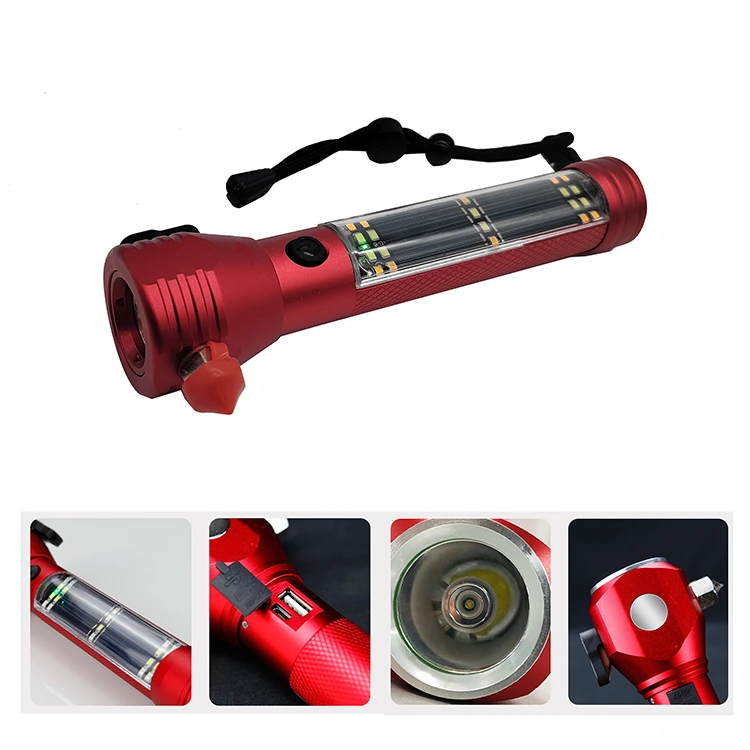 How Can Distributors Build a Profitable LED Flashlight Product Portfolio?2026/10/19
For distributors, wholesalers, importers, and retailers, selecting the right LED flashlight products is an important part of building a competitive lighting business. A product portfolio that is too narrow may fail to meet different customer needs, while an assortment that is too large can increase ......