



Call Us
+86-574-65133939
Email Us
sales@lumen-lites.com

Why Choose a Rechargeable Work Light Over Corded or Disposable Options
A Rechargeable Work Light has become an indispensable lighting solution for professionals and DIY users alike. From construction sites and automotive workshops to emergency repairs and home projects, the demand for reliable, portable, and energy-efficient lighting continues to grow. In this in-depth guide, I’ll explain why choosing a rechargeable work light over traditional corded or disposable alternatives is not only more practical but also more cost-effective and sustainable in the long run.
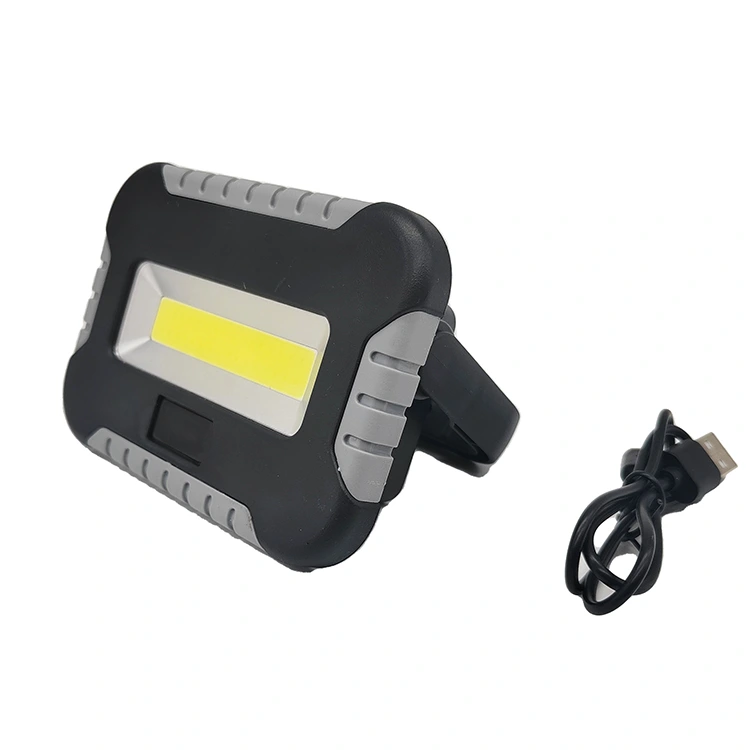
Table of Contents
- What Is a Rechargeable Work Light?
- Limitations of Corded and Disposable Work Lights
- Key Advantages of a Rechargeable Work Light
- Real-World Applications Across Industries
- Features That Define a High-Quality Rechargeable Work Light
- Rechargeable vs Corded vs Disposable: Comparison Table
- Why Rechargeable Work Lights Align with Modern Work Trends
- Frequently Asked Questions
- Final Thoughts & Next Steps
What Is a Rechargeable Work Light?
A Rechargeable Work Light is a portable lighting device powered by an internal rechargeable battery, typically lithium-ion or lithium-polymer. Unlike traditional corded lights that rely on continuous electrical supply, or disposable battery lights that require frequent battery replacement, rechargeable work lights offer a balance of mobility, performance, and long-term cost efficiency.
In my experience, the biggest advantage is flexibility. Whether you’re working under a vehicle, inside a partially built structure, or outdoors at night, a rechargeable work light delivers consistent illumination without limiting your movement.
Limitations of Corded and Disposable Work Lights
Before understanding why a rechargeable work light is superior, it’s important to recognize the drawbacks of traditional alternatives.
- Corded work lights restrict mobility, create trip hazards, and depend heavily on power availability.
- Disposable battery lights generate ongoing costs and environmental waste.
- Both options often lack modern features such as adjustable brightness, magnetic bases, or USB charging.
Over time, these limitations not only reduce productivity but also increase operational costs—especially in professional settings.
Key Advantages of a Rechargeable Work Light
Choosing a Rechargeable Work Light is about more than convenience—it’s a strategic upgrade.
- Portability: Work freely without cords or constant battery replacements.
- Cost Efficiency: Reduced spending on disposable batteries over time.
- Energy Efficiency: LED technology delivers high lumen output with low power consumption.
- Durability: Many models are impact-resistant and designed for harsh environments.
- Eco-Friendliness: Fewer discarded batteries means a smaller environmental footprint.
These benefits explain why professionals increasingly rely on rechargeable work lights as their primary lighting tool.
Real-World Applications Across Industries
A rechargeable work light is not limited to one industry. I’ve seen it used effectively in:
- Construction: Illuminating framing, electrical installations, and inspections.
- Automotive Repair: Hands-free lighting for engine bays and undercarriage work.
- Warehousing: Temporary lighting in storage and logistics areas.
- Emergency Services: Reliable light during power outages or rescue operations.
- DIY & Home Projects: Safe, portable lighting for garages and backyards.
Features That Define a High-Quality Rechargeable Work Light
Not all rechargeable work lights are created equal. Based on product specifications and hands-on evaluation, here are the features that truly matter:
- High-lumen LED output with adjustable brightness levels
- Long battery runtime with fast USB or Type-C charging
- Magnetic base, hooks, or adjustable stands
- IP-rated water and dust resistance
- Rugged housing for industrial use
Rechargeable vs Corded vs Disposable: Comparison Table
| Feature | Rechargeable Work Light | Corded Work Light | Disposable Battery Light |
|---|---|---|---|
| Portability | Excellent | Limited | Good |
| Long-Term Cost | Low | Medium | High |
| Environmental Impact | Low | Medium | High |
| Ease of Use | Very High | Moderate | Moderate |
Why Rechargeable Work Lights Align with Modern Work Trends
From a broader perspective, rechargeable work lights align perfectly with modern priorities: sustainability, efficiency, and smart design. Manufacturers such as Lumilite Lighting continue to innovate by combining durable materials, advanced LED technology, and user-centric features that meet evolving professional demands.
This shift is not a trend—it’s a long-term transformation in how portable lighting is designed and used.
Frequently Asked Questions
How long does a rechargeable work light last?
Runtime varies by model, but high-quality rechargeable work lights typically last 4–12 hours on a single charge.
Are rechargeable work lights safe for outdoor use?
Yes, especially models with proper IP ratings for water and dust resistance.
Can a rechargeable work light replace a corded light?
In most scenarios, absolutely. Modern rechargeable work lights offer comparable brightness without mobility limitations.
Final Thoughts & Next Steps
Choosing a Rechargeable Work Light over corded or disposable alternatives is a smart investment in productivity, safety, and sustainability. Whether you’re a contractor, technician, or serious DIY enthusiast, the benefits are clear and measurable.
If you’re ready to upgrade your lighting solution or want expert guidance tailored to your application, don’t hesitate to contact us today—our team is always ready to help you find the right solution for your work environment.
Send Inquiry
X
We use cookies to offer you a better browsing experience, analyze site traffic and personalize content. By using this site, you agree to our use of cookies.
Privacy Policy
News
 What Are Global Buyers Looking for When Purchasing LED Flashlights in 2026?2026/10/06
The global demand for LED flashlights continues to create opportunities for distributors, wholesalers, outdoor retailers, industrial suppliers and private label brands. However, for professional buyers, purchasing a flashlight is no longer simply about finding the lowest unit price. In 2026, buye......
 How Many Lumens Do You Really Need in a Flashlight? A Complete Buying Guide2026/10/04
When choosing a flashlight, one of the first specifications buyers look at is lumens. A flashlight with 500 lumens, 1,000 lumens, 2,000 lumens, or even 2,500 lumens can provide very different lighting performance and may be suitable for different applications. For distributors, wholesalers, retai......